


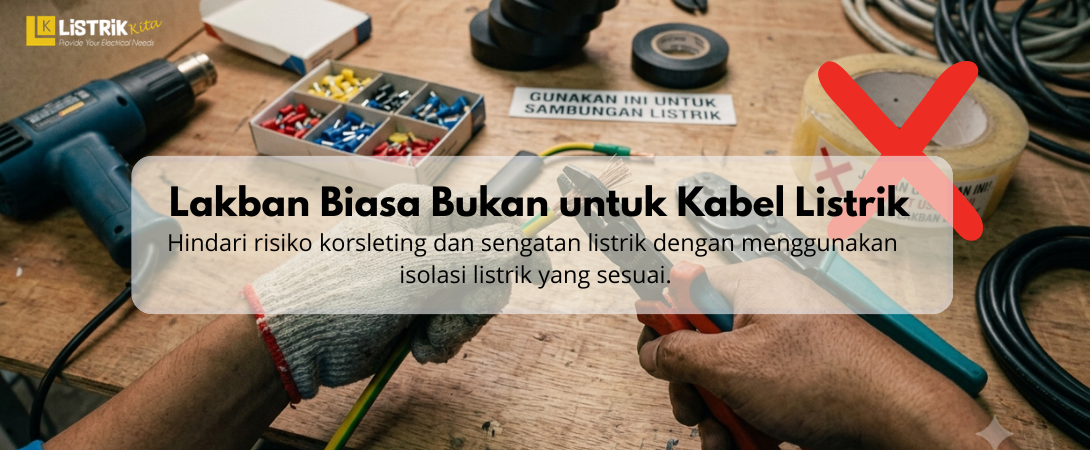
Joining electrical wires is often necessary when repairing or extending an electrical system. Even so, many people still use regular black tape because it is inexpensive, easy to find, and convenient to use. While it may look like a quick solution, this practice can create serious safety risks.
Regular black tape is not designed to insulate electrical wiring. Unlike electrical insulation tape, it cannot provide reliable protection against electricity, heat, or long term exposure to different environmental conditions. Understanding these risks can help you build a safer and more reliable electrical system.
Why Do People Use Regular Black Tape?
A Quick and Easy Solution
Many people choose regular black tape because it is inexpensive and widely available. Since it looks similar to electrical insulation tape, it is often mistaken as a suitable replacement.
In reality, regular tape is made for general purposes such as packaging or temporary repairs, not for protecting live electrical connections.
The Difference Between Regular Tape and Electrical Insulation Tape
Electrical insulation tape is specially designed to resist electrical current, withstand heat, and maintain strong adhesion over time. Regular tape focuses mainly on sticking surfaces together and does not provide the level of insulation required for electrical applications.
Because of these differences, regular black tape should never be used as the main protection for electrical wire joints.
The Risks of Using Regular Black Tape on Electrical Wires
It Can Cause Electrical Leakage
Wire joints require proper insulation to keep electrical current safely inside the conductor. Regular tape cannot provide enough electrical insulation, especially after long periods of use.
As the adhesive ages, it may become loose or peel away. This can expose the wire conductor and increase the risk of electrical leakage, which may lead to electric shock if someone accidentally touches the damaged section.
It Can Lead to Short Circuits and Fire
One of the biggest dangers of using regular tape is the increased risk of short circuits. When the protective layer fails, electrical conductors may come into contact with each other or with other conductive materials.
A short circuit generates excessive heat and may create sparks. If this happens near flammable materials such as wood, fabric, or plastic, it can quickly develop into a fire.
It Is Not Durable
Regular tape is not built to withstand heat, humidity, or continuous exposure to electrical installations. Over time, the adhesive weakens, making the tape peel off or tear easily.
Once the wire joint is exposed, the electrical installation becomes unsafe and may require frequent repairs, increasing maintenance costs.
What Should You Use Instead?
Use Quality Electrical Insulation Tape
Whenever you need to join electrical wires, choose high quality electrical insulation tape. It is specifically designed to provide reliable insulation, resist heat, and protect wire connections for a long time.
Using the right insulation tape also helps improve the durability of your electrical installation.
Use Wire Connectors or Terminal Blocks
For even better protection, consider using wire connectors or terminal blocks. These products create stronger and more secure electrical connections while reducing the chance of loose wiring.
They also make future maintenance and replacement much easier.
How to Join Electrical Wires Safely
Turn Off the Power First
Always disconnect the electrical supply before working on any wiring. This simple step greatly reduces the risk of electric shock.
Strip the Wire Properly and Make a Firm Connection
Remove only the necessary amount of insulation and make sure the conductors are tightly connected. Loose connections can generate excessive heat during operation.
Protect the Joint with Insulation Tape or Heat Shrink Tubing
After connecting the wires, completely cover the exposed conductor using quality electrical insulation tape or heat shrink tubing for better protection.
Inspect the Connection Before Use
Before restoring power, check that the connection is secure and fully insulated with no exposed conductor.
Using regular black tape to join electrical wires may seem convenient, but it can lead to electrical leakage, short circuits, and even fires. Choosing the right insulation materials is a simple step that greatly improves electrical safety and reliability. If you are looking for quality electrical cables, insulation tape, MCBs, connectors, and other trusted electrical products, explore the complete range at Listrik Kita and build a safer electrical installation with confidence.
