


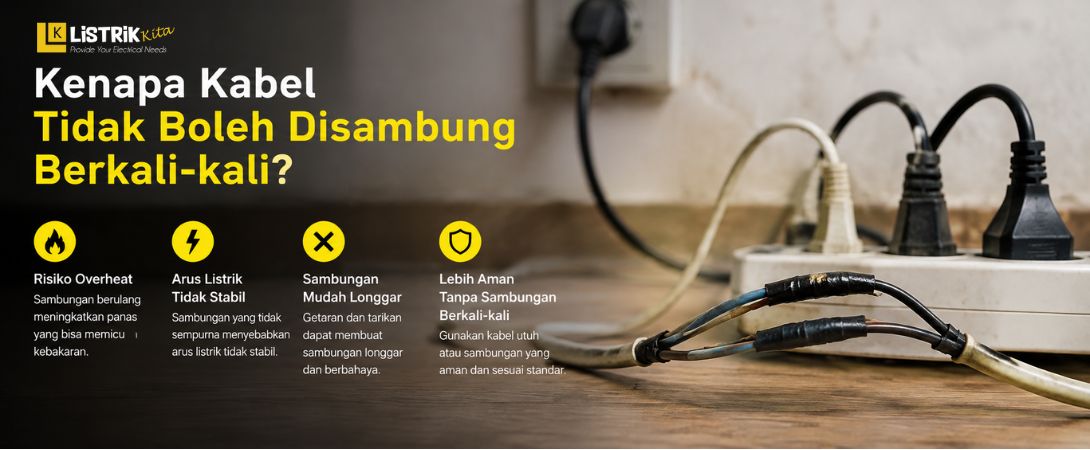
Splicing an electrical cable is often seen as a quick fix when a cable is too short or has a damaged section. As long as the connection still works, many people believe it is safe to keep adding more splices. In reality, repeated cable splicing can increase the risk of electrical problems and even fire if it is not done correctly.
Every splice creates a weak point in the electrical system. The more splices a cable has, the greater the chance of higher electrical resistance, excessive heat, loose connections, and damaged insulation. Understanding these risks can help you build a safer and more reliable electrical installation.
Main Reasons Why Repeated Cable Splices Are Dangerous
Electrical Resistance Increases at Every Splice
Every electrical cable has a certain level of resistance based on its material and size. Adding a splice creates another contact point, which can increase resistance, especially if the connection is not properly made.
As more splices are added, electricity has to pass through more resistance. This causes part of the electrical energy to be converted into heat instead of flowing efficiently through the cable.
The Cable Becomes Hotter
Higher resistance leads to higher temperatures around the splice. This happens because electrical energy is released as heat when it passes through a connection with greater resistance.
Over time, this extra heat can speed up cable aging. The insulation may become brittle, crack, or even melt if exposed to excessive temperatures for long periods.
Cable Connections Can Become Loose
Cable splices are more likely to loosen over time due to vibration, pulling force, or daily temperature changes. Even a properly installed splice can weaken after years of use.
A loose connection can create electrical arcing, which produces much higher temperatures than normal electrical flow. This significantly increases the risk of fire.
Cable Insulation Is More Likely to Be Damaged
A factory-made cable has continuous insulation that protects the conductor inside. A splice does not always provide the same level of protection, even if it is wrapped with electrical tape or other insulating materials.
If the insulation becomes damaged, the conductor may come into contact with nearby objects or people, creating a risk of short circuits and electric shock.
What Happens When a Cable Has Too Many Splices?
Higher Risk of Short Circuits
Every additional splice increases the chance of installation errors or future damage. If the conductors come into contact because the insulation fails, a short circuit may occur.
Short circuits can damage electrical equipment, interrupt the power supply, and even start a fire.
Greater Fire Hazard Due to Excessive Heat
Heat generated at weak cable connections can gradually damage the insulation. If the surrounding materials are flammable, the chance of a fire becomes much higher.
This is one of the reasons why poorly made cable splices are often linked to electrical fires.
Less Reliable Electrical Performance
Multiple splices can also reduce the overall reliability of an electrical system. Voltage drops may occur, causing lights to dim or electrical equipment to operate less efficiently.
Over time, unstable electrical performance may also reduce the lifespan of connected appliances.
Safer Alternatives to Repeated Cable Splicing
Use One Continuous Cable
The safest solution is to install a single cable with the correct length. A continuous cable provides better electrical performance and eliminates weak connection points.
Replace Old or Damaged Cables
If a cable has been repaired several times or shows signs of wear, replacing it with a new one is much safer than adding another splice.
Avoid Using Temporary Splices Permanently
Temporary cable repairs should only be used for short-term situations. Permanent electrical installations should always use new cables or approved connectors that meet electrical safety standards.
Repeatedly splicing electrical cables is not a safe long-term solution. Every splice increases electrical resistance, creates additional heat, raises the possibility of loose connections, and makes insulation more vulnerable to damage. These issues can eventually lead to short circuits or electrical fires.
For a safer and more dependable electrical installation, always use the correct cable length and replace damaged cables instead of adding more splices. If you need high quality electrical cables for residential, commercial, or industrial projects, you can find a wide selection of trusted products at Listrik Kita, making it easier to build a safe and reliable electrical system.
