


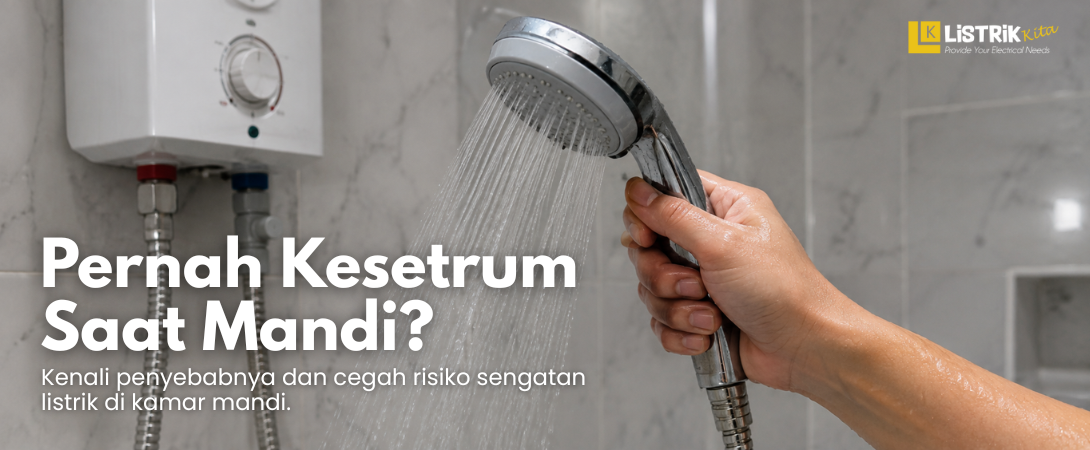
Taking a shower with an electric shower or water heater is convenient, especially on cold days. However, if you ever feel a small electric shock while the water is running, do not ignore it. Even a mild tingling sensation can be a warning sign that electricity is leaking from the appliance or the electrical installation.
Electric shocks in the bathroom are often linked to faulty equipment or unsafe electrical systems. Understanding the causes and knowing how to prevent them can help protect you and your family from serious accidents.
Why Can a Shower Cause an Electric Shock?
An electric shower uses electrical energy to heat water. Since it operates in a wet environment, every electrical component must be properly protected. If something goes wrong, electricity may travel to parts that should normally be safe to touch.
Electrical Leakage from the Shower or Water Heater
One of the most common causes is electrical leakage inside the shower or water heater. Heating elements may deteriorate over time due to aging, moisture exposure, or inadequate maintenance.
Damaged wires or worn insulation can also allow electricity to escape. When water comes into contact with these live parts, your body may become the path for the electric current, resulting in an electric shock.
No Grounding System
Grounding provides a safe path for leaking electricity to flow into the ground instead of passing through a person. Unfortunately, some homes still have electrical installations without a proper grounding system.
Without grounding, the risk of electric shock becomes much higher, especially in bathrooms where water and moisture are always present.
Faulty Electrical Protection Devices
Electrical protection devices are designed to disconnect the power when dangerous conditions occur. If these devices are damaged, outdated, or missing, electrical leakage may continue without any automatic protection.
Older installations that rely only on a standard circuit breaker may not detect leakage current. Additional protection is needed to improve electrical safety.
Signs That Your Shower May Have an Electrical Leak
There are a few warning signs you should never ignore.
Tingling When Touching Water or the Faucet
A slight tingling feeling when touching the water, shower head, or faucet can indicate electrical leakage. Even if it feels minor, it should be checked immediately.
Electric Shock Only Happens When the Shower Is On
If the shock occurs only when the shower or water heater is operating, the problem is likely coming from the appliance or its electrical connection.
RCBO Trips Frequently
If your RCBO keeps disconnecting the power while the shower is in use, it may be detecting leakage current. In many cases, this means the RCBO is doing its job by protecting you from potential danger.
What Should You Do If You Get an Electric Shock While Showering?
If you experience an electric shock in the bathroom, stay calm and follow these steps.
Turn Off the Power Immediately
Disconnect the electricity from the main electrical panel before touching any electrical equipment.
Stop Using the Shower
Do not continue using the shower until the problem has been identified and repaired.
Have the Installation Inspected
Ask a qualified electrician to inspect the shower, wiring, grounding system, and electrical installation to identify the source of the leakage.
Ways to Prevent Electric Shocks in the Bathroom
Preventive maintenance is always the safest approach.
Make Sure the Grounding System Works Properly
A proper grounding system should be installed and checked regularly to ensure it can safely divert leakage current.
Install an RCBO
An RCBO protects against leakage current, overload, and short circuits in one device. It disconnects the power quickly whenever leakage is detected, helping reduce the risk of electric shock.
Inspect Your Electrical Installation Regularly
Check cables, electrical connections, and protection devices from time to time. If you use an RCBO, test it regularly according to the manufacturer's instructions.
Getting an electric shock while using a shower should never be considered normal. It may be caused by electrical leakage, the absence of a proper grounding system, or faulty electrical protection devices. If you notice tingling or any sign of electric leakage, stop using the shower immediately and have the electrical installation inspected by a qualified electrician.
For better electrical safety at home, choose a high quality RCBO that protects against leakage current, overload, and short circuits. You can find genuine RCBO products from trusted brands at Listrik Kita, making it easier to build a safer electrical system for your home and family.
