


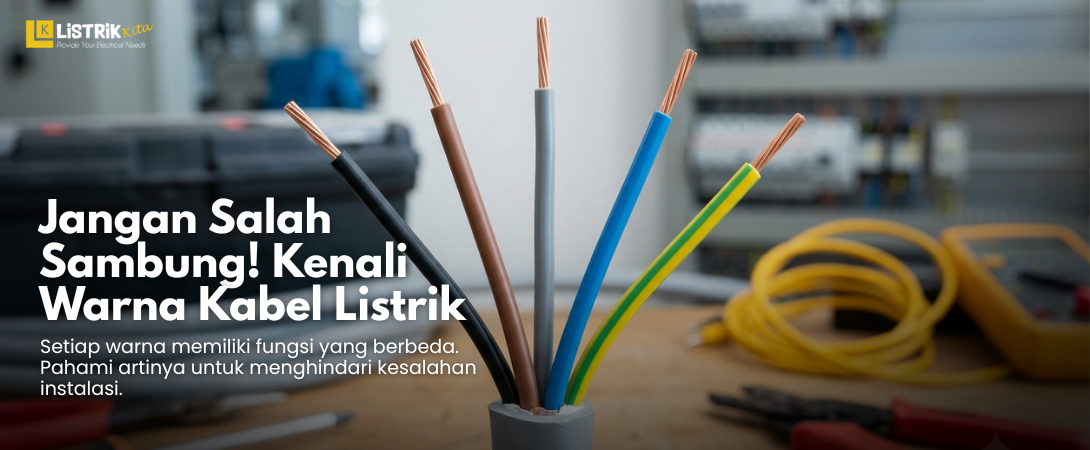
Electrical wires come in different colors for a reason. Each color represents a specific function in an electrical installation, making it easier to identify conductors, perform maintenance, and reduce wiring mistakes. Understanding wire color codes is essential because connecting the wrong wire can lead to electrical faults, electric shock, equipment damage, or even fire hazards.
Whether you are installing electrical systems in a home, commercial building, or industrial facility, most modern installations follow standardized wire colors. Learning what each color means will help you work more safely and better understand how an electrical system operates.
Why Is It Important to Understand Electrical Wire Colors?
Wire colors are not simply for appearance. They serve as an identification system that tells electricians and technicians the purpose of each conductor. Standardized colors make installation, inspection, troubleshooting, and maintenance much safer and more efficient.
Proper identification also minimizes the risk of wiring errors that could interrupt electrical systems or create dangerous situations. That is why understanding electrical wire colors is considered one of the most important basics of electrical safety.
The Purpose of Wire Color Codes
Wire color codes help identify whether a conductor is used as a live wire, neutral wire, or grounding wire. Clear identification allows electricians to complete installations accurately while reducing the chance of costly mistakes.
The Risks of Misidentifying Electrical Wires
Confusing one wire color with another can cause several problems, including malfunctioning electrical equipment, short circuits, electric shock, and serious safety hazards. In severe cases, incorrect wiring may even increase the risk of electrical fires.
Electrical Wire Color Meanings and Their Functions
Each wire color has a specific purpose based on modern electrical standards. Here is what each color represents.
Black Wire
A black wire is commonly used as a live conductor in certain electrical systems, especially in three phase installations or systems that follow older wiring standards. Its primary function is to carry electrical current from the power source to electrical equipment.
However, wire colors may vary depending on the installation standard being used. Always verify the wiring diagram or test the circuit with appropriate electrical testing equipment before making any connections.
Brown Wire
Brown is the standard color for the live wire in modern electrical installations that follow IEC standards. This wire carries electrical voltage from the power supply to appliances and other connected loads.
Since it is an energized conductor, it should always be handled carefully. Make sure the power supply is disconnected before working on any electrical installation.
Gray Wire
In a three phase electrical system, the gray wire serves as one of the additional live conductors alongside the brown and black wires. It is commonly found in industrial facilities, commercial buildings, and locations that require larger electrical loads.
Using different colors for each phase helps electricians identify circuits more easily during installation and maintenance.
Blue Wire
A blue wire is used as the neutral conductor. Its job is to return electrical current back to the power source after electricity has passed through the connected equipment.
Although the neutral wire normally has little or no voltage relative to earth, it should never be considered completely safe. Under certain fault conditions, it may still carry electrical current.
Green and Yellow Wire
A green and yellow striped wire is reserved exclusively for grounding, also known as the earth wire. Its primary function is to safely direct leakage current into the ground, helping protect people from electric shock.
Grounding also helps protect electrical equipment from damage caused by electrical faults. According to electrical standards, this color combination should only be used for grounding purposes and never as a live or neutral conductor.
How to Identify Earth, Neutral, and Live Wires by Their Colors
Recognizing these three main types of electrical conductors is essential for safe electrical work.
Earth Wire
The earth wire is identified by its green and yellow striped insulation. It provides a safe path for leakage current to flow into the grounding system. Under normal operating conditions, the earth wire does not carry electrical current unless a fault occurs.
Neutral Wire
The neutral wire is identified by its blue insulation. It carries electrical current back to the power source after it has passed through connected devices. Although it is generally safer than a live wire, it should still be handled carefully because it may become energized under certain conditions.
Live Wire
The live wire is typically brown in modern electrical installations. In three phase systems, brown, black, and gray wires are used as live conductors. These wires carry the main electrical voltage and present the highest risk of electric shock if touched while energized.
Are Electrical Wire Colors Always the Same?
Most modern electrical installations follow international color standards. However, older buildings may still use different wire colors because they were installed under previous regulations.
For this reason, never rely solely on wire color when working on electrical systems. Always use testing equipment such as a voltage tester or multimeter to confirm the function of each conductor before making any electrical connections.
Knowing the meaning of electrical wire colors is an important first step toward safer electrical work. However, safety involves more than recognizing colors. Always disconnect the power before working on electrical systems, wear appropriate personal protective equipment, and choose high quality electrical cables that comply with recognized standards.
If you are looking for reliable electrical cables for residential, commercial, or industrial projects, you can find quality products at Listrik Kita. Choosing certified and durable cables helps create a safer, more reliable, and longer lasting electrical installation.
