


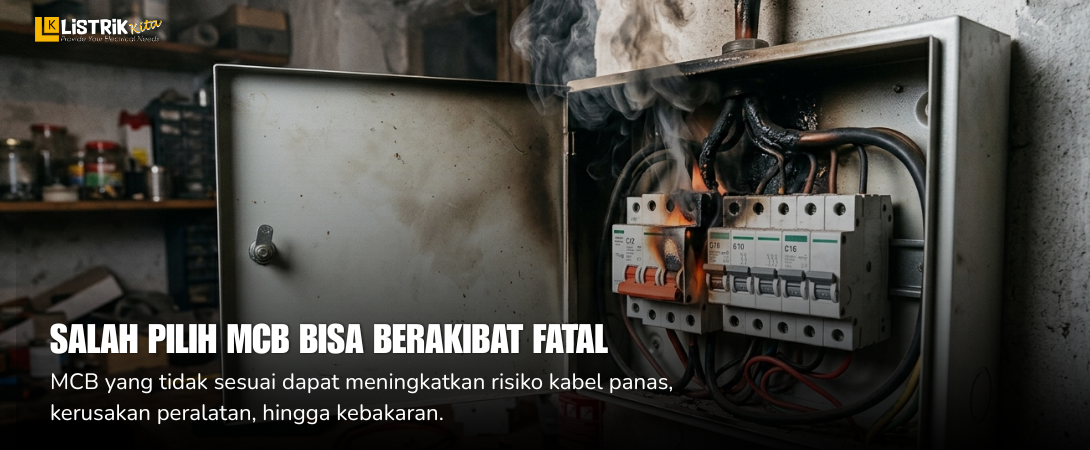
Many people believe that installing a larger Miniature Circuit Breaker (MCB) will prevent the electricity from tripping frequently. While this may seem like a simple solution, it can actually create serious safety risks for your electrical system.
An MCB is designed to protect electrical wiring by disconnecting the power whenever excessive current or a short circuit occurs. Choosing an oversized MCB reduces this protection because it allows more current to flow before the breaker trips. As a result, cables and electrical devices may be exposed to dangerous conditions without adequate protection.
Before replacing your existing MCB with a larger one, it is important to understand how an MCB works and why selecting the correct size is essential.
What Is the Function of an MCB?
An MCB is one of the most important safety devices in an electrical installation. Its primary job is to protect wiring from overloads and short circuits by automatically disconnecting the electrical supply when the current exceeds a safe level.
Many people think an MCB mainly protects electrical appliances. In reality, its primary purpose is to protect the electrical wiring inside the building. By keeping the current within the cable's safe carrying capacity, the MCB helps prevent overheating and electrical fires.
How an MCB Protects Electrical Wiring
An MCB continuously monitors the amount of current flowing through a circuit. If an overload or short circuit occurs, the internal mechanism quickly disconnects the power supply.
This automatic response prevents cables from overheating and reduces the risk of severe electrical damage. It also helps minimize the possibility of electrical fires caused by excessive current.
The Relationship Between MCB Rating and Cable Size
Every electrical cable has a maximum current capacity that it can safely carry. Smaller cables can handle less current than larger ones.
Because of this, the MCB rating must always match the cable size. If the MCB is rated much higher than the cable's capacity, the cable may continue carrying excessive current without triggering the breaker. This creates unsafe operating conditions that can damage the electrical installation.
Why You Should Not Install a Larger MCB Without Proper Calculation
Replacing an MCB with a higher rating may reduce nuisance tripping, but it also removes an important layer of protection. Several serious problems can occur when the breaker is oversized.
Increased Risk of Overheated and Burned Cables
The biggest danger of an oversized MCB is overheating.
Since the breaker allows more current to pass before disconnecting the circuit, the cable may operate well beyond its safe limit. Continuous overheating damages the cable insulation, increasing the chance of short circuits and electrical fires.
Higher Risk of Damaging Electrical Equipment
An oversized MCB can also affect electrical devices connected to the circuit.
When excessive current flows for a longer period, outlets, switches, terminals, and other electrical equipment are exposed to additional heat. Over time, this can reduce performance, shorten the lifespan of equipment, and even cause permanent damage.
A Larger MCB Does Not Reduce Electricity Bills
Some homeowners mistakenly believe that installing a larger MCB will lower electricity costs.
This is not true.
Electricity bills are calculated based on energy consumption measured in kilowatt-hours (kWh), not the size of the MCB. An MCB is simply a protective device that limits current according to the design of the electrical installation. Using a larger MCB will not reduce power consumption or make your electricity bill cheaper.
How to Choose the Right MCB
The correct MCB should always match the electrical load and the cable size used in the installation.
If you plan to add high-power appliances or increase your electrical capacity, the entire electrical system should be evaluated, including the cables and protective devices. Consulting a qualified electrician is the safest way to ensure your installation remains reliable and compliant with electrical standards.
Choosing a larger MCB without proper calculation is never a safe solution. Instead of improving your electrical system, it reduces protection and increases the risk of overheated cables, damaged electrical equipment, and even electrical fires.
For reliable protection, always choose an MCB that matches your cable capacity and electrical load. If you are looking for high quality original MCBs from trusted brands, visit Listrik Kita. You can find a wide selection of reliable circuit protection products to help keep your electrical installation safe and dependable.
