


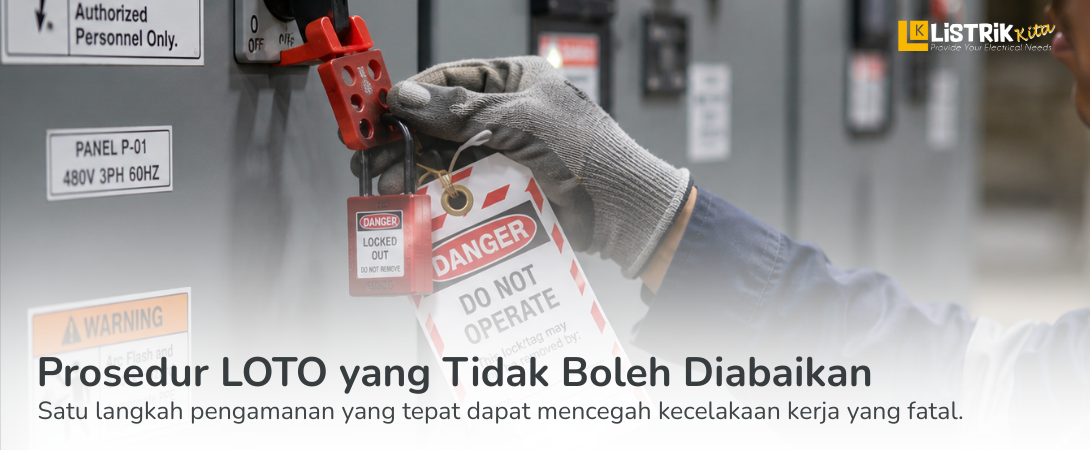
Safety in the workplace is one of the most important considerations in industrial facilities. One of the most important methods used to prevent accidents caused by hazardous energy is Lockout Tagout (LOTO). This procedure is designed to ensure that machinery and equipment cannot be started unexpectedly during maintenance, repair, or inspection activities.
Proper implementation of LOTO procedures helps reduce the risk of serious injuries, equipment damage, and operational disruptions. Below are the essential LOTO steps that should never be ignored.
What Is LOTO and Why Is It Important?
Lockout Tagout, commonly known as LOTO, is a safety procedure used to isolate energy sources before work is performed on equipment. These energy sources may include electrical, mechanical, hydraulic, pneumatic, thermal, or stored energy.
By following LOTO procedures, companies can protect workers from unexpected machine startup and uncontrolled energy release.
Preparation Before Performing LOTO
The first step is identifying all energy sources connected to the equipment being serviced. Personnel should understand energy isolation points and any hazards associated with the task.
Before starting the procedure, make sure all required LOTO equipment such as safety padlocks, lockout hasps, valve lockouts, circuit breaker lockouts, and safety tags are prepared and in good working condition.
Notify Affected Personnel
Before shutting down equipment, all operators and affected employees should be informed about the upcoming maintenance work. This helps prevent misunderstandings and reduces the risk of someone attempting to operate the equipment during the lockout process.
Clear communication contributes to a safer and more organized workplace.
Shut Down Equipment Properly
After notification, the equipment should be shut down according to established operating procedures. The shutdown process must follow the correct sequence to avoid equipment damage and additional safety risks.
Skipping proper shutdown procedures can create unstable operating conditions.
Isolate All Energy Sources
Once the equipment is turned off, all energy sources must be disconnected. This may include disconnecting electrical power, closing valves, releasing air pressure, and securing other forms of energy.
Each isolation point should be checked to confirm that energy flow has been completely stopped.
Apply Lockout Devices
Lockout devices should then be installed at every energy isolation point. Their purpose is to prevent the equipment from being re-energized while maintenance work is being performed.
In many workplaces, each worker uses a personal safety padlock, ensuring that only the owner can remove it after the job is completed.
Attach Safety Tags
In addition to physical locks, safety tags should be attached to the isolation points. These tags serve as warnings that maintenance work is in progress and the equipment must not be operated.
The tags typically include the worker's name, installation date, and the reason for the lockout.
Verify Zero Energy State
Before maintenance begins, all stored energy must be released, dissipated, or neutralized. This step may require releasing trapped air pressure, discharging any remaining voltage, and locking or securing moving equipment parts.
This step is critical because many workplace accidents are caused by residual energy left inside the system.
Perform Verification Testing
A verification test should be conducted by attempting to start the equipment using normal controls. If the isolation process has been completed correctly, the equipment will not operate.
This test confirms that the system is safe for maintenance activities.
Complete the Work and Conduct Final Inspection
After maintenance is finished, the work area should be inspected carefully. Ensure that tools have been removed, machine guards are reinstalled, and no personnel remain in hazardous areas.
A final inspection helps minimize risks before equipment is returned to service.
Restore Energy Safely
The final step is removing lockout and tagout devices according to company procedures. Energy sources can then be restored gradually, and the equipment should be tested to verify proper operation.
Affected personnel should also be informed that the equipment is back in service.
Common LOTO Mistakes to Avoid
Some common mistakes include failing to verify zero energy conditions, relying on tags without lockout devices, and providing insufficient employee training. These errors can significantly increase workplace safety risks.
LOTO procedures play a vital role in protecting workers from hazardous energy during maintenance and repair activities. From preparation and energy isolation to lockout, tagging, and zero energy verification, every step must be followed carefully and consistently.
To support a safe and effective Lockout Tagout program, it is important to use reliable LOTO equipment. Listrik Kita offers a wide range of LOTO products, including safety padlocks, lockout hasps, circuit breaker lockouts, valve lockouts, and other safety accessories to help improve workplace safety.
