


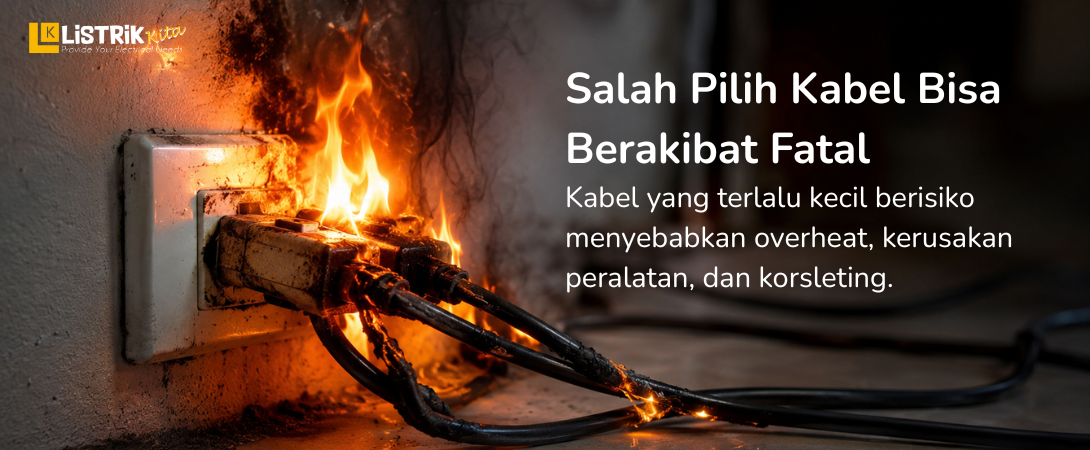
A safe electrical installation depends not only on quality equipment but also on selecting the right cable size. Many people still use undersized cables to power equipment with high electrical demand. Unfortunately, this practice can lead to several problems, ranging from poor equipment performance to serious fire hazards.
Understanding the risks of using cables that are too small for the load is essential for maintaining a safe and efficient electrical system.
Why Should Cable Size Match the Electrical Load?
The greater the current flowing through a circuit, the larger the cable should be. This capacity depends on the conductor's cross-sectional area. The higher the current requirement, the larger the cable size should be.
When a cable is too small for the load it carries, electrical resistance increases. As a result, the cable works harder and may create various issues within the power distribution system.
Proper cable sizing also helps improve energy efficiency and extends the service life of connected electrical equipment.
Cables Can Overheat and Melt
What Causes Cable Overheating?
One of the most common consequences of using undersized cables is excessive heat generation. When the current flowing through a cable exceeds its rated capacity, more electrical energy is converted into heat.
The greater the load, the higher the temperature produced. If this condition continues for an extended period, the cable may overheat.
Signs of an Overloaded Cable
Several warning signs may indicate that a cable is operating beyond its capacity:
- The cable insulation feels warm or hot
- A burning plastic smell is present
- The insulation changes color
- Outlets or cable connections become hot
These signs should never be ignored because they can lead to more serious electrical problems.
Risk of Insulation Damage and Fire
Excessive heat can cause cable insulation to harden, crack, or melt. Once the insulation is damaged, the conductor inside becomes more likely to come into contact with other conductors or nearby materials.
This situation can lead to short circuits, sparks, and potentially electrical fires. Choosing the correct cable size is one of the most effective ways to improve electrical safety.
Voltage Drop Can Affect Equipment Performance
What Is Voltage Drop?
Voltage drop occurs when the voltage received by electrical equipment is lower than the voltage supplied by the power source.
This condition often happens when cable resistance is too high, especially when the cable is undersized or the installation distance is long.
Why Do Small Cables Cause Voltage Drop?
Smaller cables have higher electrical resistance. Because of this resistance, part of the electrical energy is lost during transmission.
As a result, the equipment receives less voltage than required for proper operation.
Effects on Electrical Equipment
Voltage drop can create several operational issues, including:
- Electric motors become difficult to start or run hotter
- Lights appear dimmer
- Machines operate inefficiently
- Equipment lifespan becomes shorter
Over time, these issues may increase maintenance costs and accelerate equipment failure.
Energy Waste Due to High Cable Resistance
Electrical Energy Is Lost as Heat
Using cables that are too small can also waste electricity. High resistance causes a portion of the electrical energy to be converted into heat before reaching the load.
This wasted energy provides no useful benefit to the connected equipment.
Impact on Electricity Costs
When energy losses occur continuously, the overall efficiency of the electrical system decreases. In installations with large loads and long operating hours, these losses can contribute to higher electricity consumption.
Choosing the correct cable size helps reduce power losses and improve energy efficiency.
How to Choose the Right Cable Size
Several factors should be considered when selecting a cable, including load current, cable length, installation conditions, and applicable electrical standards. Using the correct cable size helps improve safety, minimize voltage drop, and maximize system efficiency.
If you are unsure which cable size is suitable for your application, consult a qualified electrical professional for guidance.
Use Quality Cables for a Safe and Efficient Installation
Using undersized cables for heavy electrical loads can result in overheating, voltage drop, and unnecessary energy losses. Selecting the proper cable size and quality is a smart investment that improves safety and ensures reliable system performance.
If you are looking for high-quality electrical cables for residential, commercial, or industrial applications, explore the available options at Listrik Kita. Choosing quality products will help you build a safer, more efficient, and longer-lasting electrical installation.
