


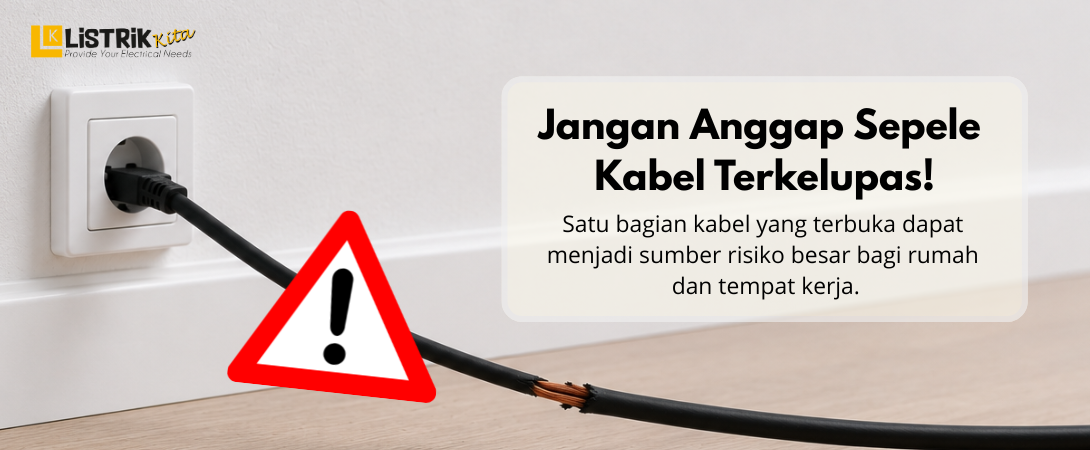
Electrical cables are essential components in residential, commercial, and industrial electrical systems. Although they may seem simple, damaged or exposed cables can create serious safety risks. Unfortunately, many people consider minor insulation damage unimportant and delay repairs.
In reality, exposed electrical cables can lead to electric shocks, current leakage, short circuits, and even fires. Understanding these risks and knowing how to respond properly can help maintain a safe electrical environment.
What Is an Exposed Electrical Cable?
An exposed electrical cable is a cable whose protective insulation layer has been damaged, allowing the conductor inside to become visible or uncovered. This damage may result from aging, friction, rodent activity, excessive pressure, or improper installation.
Once the insulation is compromised, the cable can no longer provide adequate protection, increasing the likelihood of electrical hazards.
Why Should Exposed Cables Never Be Ignored?
Many people continue using damaged cables as long as electricity is still flowing normally. However, this situation can be dangerous because electrical problems often develop without obvious warning signs.
Besides posing a safety risk to users, damaged cables can also harm electrical equipment and reduce the overall reliability of the electrical system.
Risk of Electric Shock from Exposed Cables
How Can Electric Shock Occur?
When a person touches an exposed conductor, electrical current may pass through the body. The severity of the shock depends on the voltage level, physical condition, and duration of contact.
Dangers of Direct Contact with Bare Conductors
Unprotected conductors can cause injuries ranging from minor shocks to severe accidents. In some cases, electric shock may affect the heart and nervous system.
Higher Risk in Wet or Humid Areas
Moist environments improve electrical conductivity. As a result, exposed cables located in kitchens, bathrooms, or outdoor areas present a greater danger.
Short Circuits and Current Leakage Risks
How Exposed Cables Cause Short Circuits
A short circuit can occur when conductors that should remain separated come into contact because the insulation has been damaged. This can create a sudden surge of current that may damage equipment and wiring systems.
The Impact of Current Leakage on Safety
Current leakage is often difficult to detect without protective devices. However, it can energize metal surfaces of electrical equipment and create a shock hazard for users.
The Role of ELCB and RCBO Protection Devices
ELCBs and RCBOs are designed to disconnect power automatically when leakage current is detected. Even so, these devices should not be considered a substitute for repairing or replacing damaged cables.
Fire Hazards Caused by Damaged Cables
Electrical Sparks Can Start Fires
Exposed conductors may generate sparks when they come into contact with other materials. If those sparks reach flammable objects, a fire can quickly develop.
Overheating Due to Damaged Insulation
Insulation not only protects people from direct contact but also helps maintain a stable electrical system. Damaged insulation can create localized overheating.
Why Electrical Fires Often Start with Faulty Wiring
Many electrical fires begin with cables that have become worn, cracked, or exposed. Small defects that are left unattended can eventually lead to major incidents.
How to Handle an Exposed Electrical Cable Safely
Turn Off the Power Supply First
The first step is to disconnect power from the main source. This helps reduce the risk of electric shock during inspection or repair.
Apply Temporary Insulation
If immediate replacement is not possible, the damaged section can be wrapped with high-quality electrical tape as a temporary measure. However, this method is intended for temporary use only.
Replace the Cable for Maximum Safety
Replacing the damaged cable is the safest and most reliable option. A new cable that meets proper standards provides better protection and improves system reliability.
Tips to Prevent Cable Damage
Avoid Excessive Pulling and Pressure
Make sure cables are not pinched, stretched, or bent excessively, as these conditions can damage the insulation over time.
Perform Regular Inspections
Routine inspections help identify early signs of wear before they develop into serious electrical problems.
Use High-Quality Electrical Cables
Choosing quality cables that meet industry standards can improve safety and extend the lifespan of the electrical installation.
Exposed electrical cables should never be ignored. They can lead to electric shocks, current leakage, short circuits, and fires that threaten both people and property. If you discover a damaged cable, turn off the power supply, apply temporary insulation if necessary, and replace the cable as soon as possible to reduce potential risks.
If you are looking for high-quality electrical cables for residential, commercial, or industrial applications, choose products that comply with safety standards. Explore a wide range of reliable electrical cables and electrical supplies at Listrik Kita to build a safer, more dependable, and longer-lasting electrical system.
