


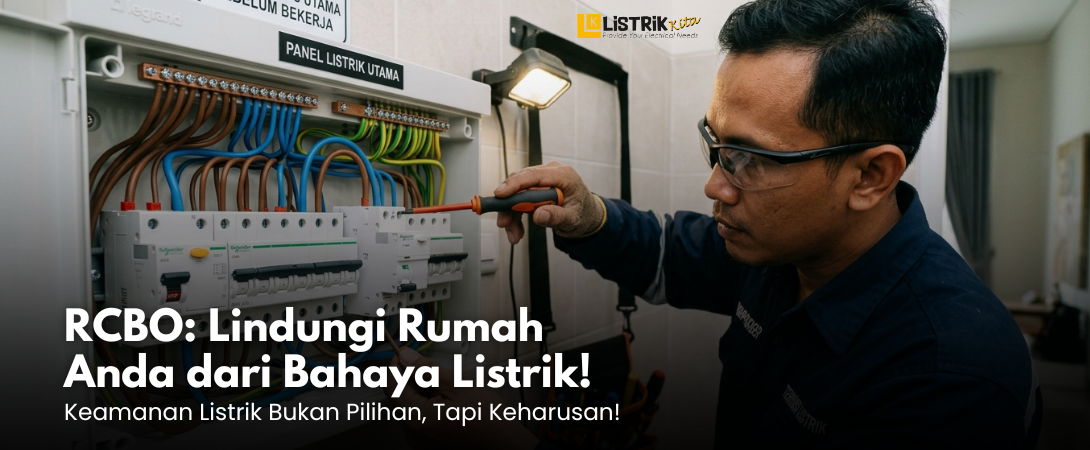
A reliable home electrical system is not just about making sure all your devices turn on. It is also about how well the system protects you from electric shocks and short circuits. This is where an RCBO, or Residual Current Circuit Breaker with Overcurrent, becomes very important. This device combines the functions of an MCB, which handles overcurrent protection, and an ELCB, which detects earth leakage, into one unit. Installing an RCBO requires careful attention and a clear understanding of the steps involved. This guide will walk you through the process of installing an RCBO safely, so you can ensure your protection system works as it should.
Preparation Steps Before Installation
Making Sure the Power Supply Is Completely Off
Safety should always come first when doing any electrical work. Before you touch the distribution panel, make sure you have turned off the main power source. Do this by switching off the main breaker that connects to the utility grid. If your home uses additional power sources such as a generator or solar panels, make sure those are turned off as well. Do not rely only on your eyes or the switch position. Use a test pen or a multimeter to double check that the voltage inside the panel is at zero. This step is not just a recommendation. It is a must to avoid serious risk.
Preparing Your Tools and Safety Gear
Once the power is off, having your tools ready will make the installation process much smoother. Prepare a set of screwdrivers, both flathead and Phillips, in the right sizes. Have a pair of combination pliers and a multimeter ready for final checks. Wear insulated rubber gloves as an extra layer of protection. Also make sure the cables you are going to use match the current rating of the RCBO. Using a cable that is too small can cause overheating later on.
Installing the RCBO Inside the Panel
Opening the Panel Cover and Checking the Layout
After confirming that everything is safe, open the distribution panel cover carefully. Keep the screws and the cover in a place where they will not get in your way. Once the panel is open, take a moment to see how things are arranged. Look for the busbar, which is usually a copper bar used to distribute the live wires, and the main neutral wire path. Understanding the layout will help you choose the right spot for the new RCBO without disturbing the existing wiring.
Preparing the Terminals and Mounting the RCBO on the DIN Rail
Before placing the RCBO, loosen the screws on its input and output terminals. Pay attention to the labels printed on the device body. The terminal marked Line or Supply is where the incoming power from the main source will connect. The terminal marked Load is where the wiring going to your protected circuit will connect. After the terminals are ready, mount the RCBO onto the DIN rail inside the panel. Press the device until you hear a click. That click means the RCBO is locked securely in place. Make sure it sits level with the other components so the panel cover can be put back on neatly later.
Securing the Device and Connecting the Wires
If the RCBO has extra mounting holes on its body, use them to screw it more firmly to the panel. A secure fit will prevent the device from moving due to vibration. Now focus on the wiring. Connect the live wire, which is often red or black, and the neutral wire, which is usually blue, from the main supply to the Line terminals. Next, connect the wires that go to your protected circuit to the Load terminals. Use the right screwdriver to tighten the terminal screws firmly. Make sure no loose strands of wire are sticking out from under the screws. Loose strands can cause sparks or short circuits.
Testing and Final Steps
Putting the Cover Back and Performing a Function Test
Before turning the power back on, tidy up the wires and make sure nothing is pinched between the cover and the panel body. Put the front cover back in place and tighten the screws. Now it is time to test. Turn the main power supply back on, then switch the new RCBO to the ON position. The most important test is pressing the T button, which stands for test, on the RCBO body. Under normal conditions, pressing this button should make the RCBO trip immediately and switch to the OFF position. If the RCBO does not react when you press the button, turn the power off right away and recheck your installation. Make sure the neutral wire is connected correctly.
Final Check with an Actual Load
Once the test button works as expected, reset the RCBO back to the ON position. The final step is to connect an electronic device to the circuit that is now protected. Observe whether the RCBO stays in the ON position without tripping unexpectedly. Carefully check the temperature of the terminals to see if there is any unusual heat buildup. If the terminals feel too hot, it could mean a screw is not tight enough or the cable size is not suitable. This verification step is important to confirm that the RCBO will protect your home not just during testing but at all times.
Installing an RCBO does require careful work, but the peace of mind it brings is well worth the effort. With protection against both earth leakage and overcurrent, an RCBO is a valuable investment for your family's safety and for keeping your electronics safe. Always use quality electrical components to make sure your protection system works properly. If you are looking for a genuine RCBO with reliable specifications, you can visit Listrik Kita. As a trusted provider of electrical equipment, Listrik Kita offers a wide selection of RCBOs from well known brands at competitive prices without compromising on quality. Do not take chances when it comes to safety. Find the best RCBO for your installation needs at Listrik Kita.
