


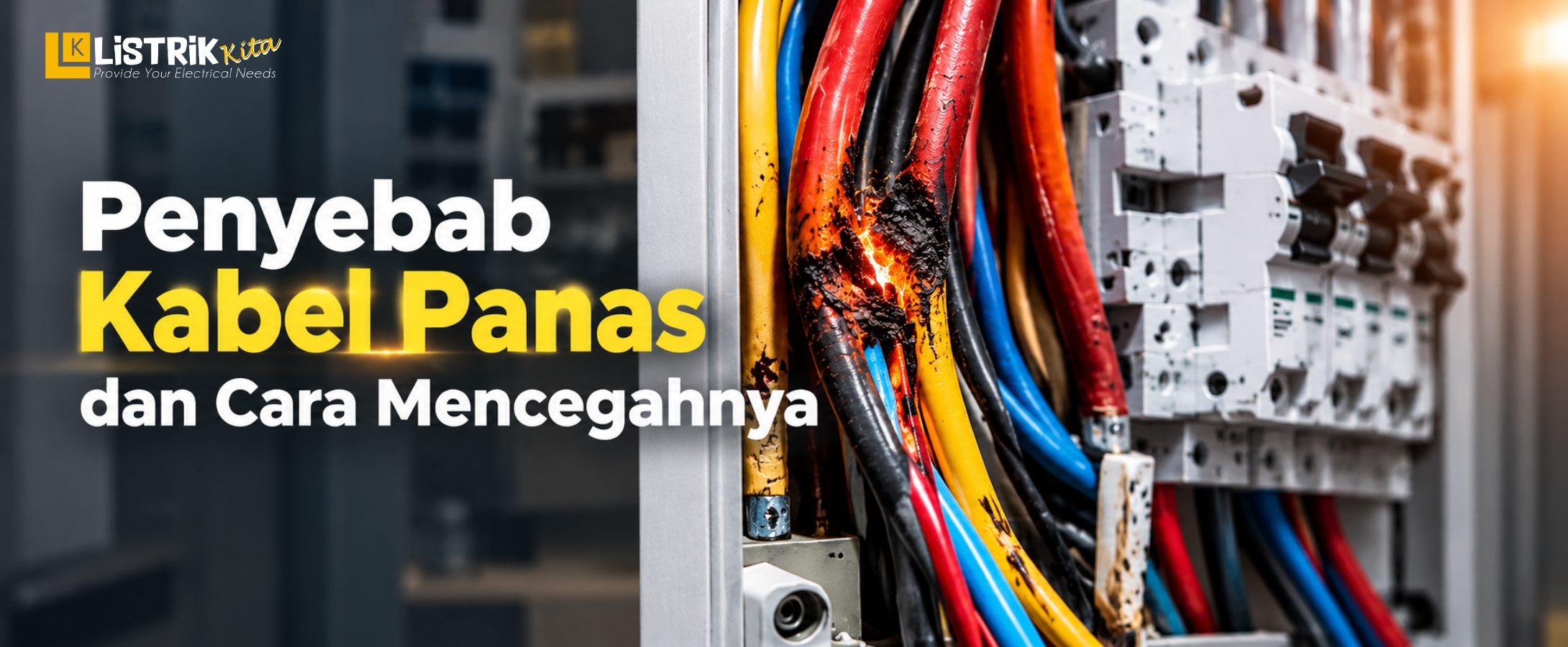
Have you ever noticed that an electrical cable becomes hot while being used? It may seem like a minor issue, but an unusually hot cable can be a sign of a problem with the electrical installation or the way electricity is being used. Understanding the possible causes is important to help prevent equipment damage, short circuits, and even fire. Listrik Kita is a partner of Extrana and provides original products with warranty for various electrical cable needs.
Common Causes of Hot Electrical Cables
Electrical cables can naturally become slightly warm when current flows through them. However, excessive heat should not be ignored. Several factors can cause a cable to become hotter than it should be.
1. Excessive Electrical Load (Overload)
One of the most common causes of a hot cable is an excessive electrical load. An overload happens when the amount of current flowing through a cable exceeds its capacity.
For example, connecting too many electrical devices to one outlet or electrical circuit can create an excessive load. As the electrical load increases, the cable may produce more heat.
If this happens continuously, the cable insulation can become damaged. For this reason, electrical devices should be used according to the capacity of the installation and the cable being used.
2. Cable Size Is Too Small
Cable size is closely related to its ability to carry electrical current. A cable with a cross-sectional area that is too small for a particular load may generate more heat.
For example, using a small cable for equipment that requires a relatively high amount of power can make the cable work beyond its suitable capacity. As a result, the cable temperature may increase.
When choosing a cable, consider the electrical load, cable length, installation method, and overall installation conditions. Do not choose a cable based only on its price or physical appearance.
3. Loose Cable Connections
A loose cable connection can also become a source of excessive heat. A poor connection can increase resistance at the connection point, making it easier for heat to build up.
This problem can occur at terminals, connectors, outlets, or other connection points. If the condition continues, the heat can damage the insulation and nearby components.
Every cable connection should therefore be installed correctly and securely. Regular inspection is also important, especially if you notice a burnt smell, discoloration around a terminal, or a cable that feels unusually hot.
4. Poor Cable Quality
Cable quality can also affect the performance and safety of an electrical installation. Cables made with unsuitable conductor materials or insulation may have different capabilities when carrying current and handling heat.
Using cables with unclear specifications or quality can increase the risk of electrical problems, especially when the cable is used for high loads or long periods.
Choose cables from trusted brands and reliable sources, and make sure their specifications match the requirements of your installation. Choosing the right cable is not only about size, but also about material quality and intended use.
5. The Cable Is Still Coiled During Use
A cable that remains coiled, especially a cable reel or extension cable, should also be considered when handling certain electrical loads. When current flows through a coiled cable, the heat generated may be more difficult to dissipate.
As a result, the cable temperature can increase and potentially damage the insulation if it remains in that condition for too long.
For higher electrical loads, the cable should be fully uncoiled before use. This allows heat to dissipate more effectively. Always check the cable's capacity and avoid using it beyond its recommended limit.
Dangers of Overheated Electrical Cables
An electrical cable that repeatedly becomes too hot should not be ignored. Excessive heat can accelerate insulation damage and increase the risk of a short circuit.
In certain conditions, this damage can produce sparks or excessive heat that may lead to a fire. If a cable feels much hotter than usual, stop using it and check the source of the problem.
Risk of Cable Insulation Damage
Excessive heat can cause cable insulation to become brittle, deformed, or damaged. When the insulation no longer provides proper protection, the conductor can become more exposed and may come into contact with other components.
Potential Short Circuit
Damaged insulation can increase the risk of a short circuit. This condition can disrupt the electrical system and potentially damage connected equipment.
Fire Risk Caused by Cable Overheating
If excessive heat continues to build up without proper handling, the risk of fire may increase, especially when the cable is located near flammable materials.
How to Prevent Electrical Cables From Overheating
Preventing cables from becoming excessively hot starts with choosing the right cable and using it properly. Here are several things you can do:
Use the Right Cable Size for the Load
Make sure the cable size matches the current and power requirements of the equipment. Avoid using a cable that is too small for high-load equipment.
Avoid Excessive Electrical Loads
Avoid connecting too many devices to one electrical circuit if its capacity is not sufficient. Keeping the electrical load within the appropriate capacity helps the cable operate more safely.
Make Sure Every Connection Is Secure
Check terminals, connectors, and other connection points to make sure they are properly installed and secure. A good connection can help reduce heat caused by poor contact.
Choose Quality Cables With Suitable Specifications
Use cables with clear specifications that match your installation requirements. Make sure the products come from trusted sources so their quality and specifications can be properly verified.
Uncoil the Cable Before Use
If you are using a cable reel or extension cable for a particular load, fully uncoil it before use. This allows heat to dissipate more effectively while the cable is operating.
Hot electrical cables can be caused by several factors, including excessive electrical loads, cables that are too small, loose connections, poor cable quality, and cables that remain coiled during use. Choosing the right cable and using it according to its capacity can help reduce the risk of overheating.
If you are looking for quality electrical cables for residential, commercial, or other electrical installations, you can choose Extrana cables at Listrik Kita. As an Extrana partner, Listrik Kita provides original products with warranty. Find the Extrana cable that suits your needs and purchase it through Listrik Kita
