


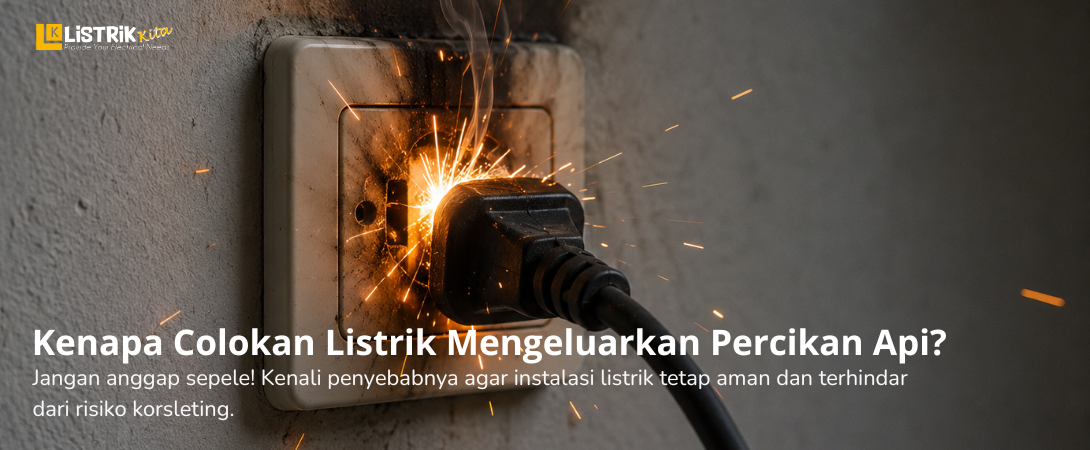
Have you ever noticed a small spark when plugging in or unplugging an electrical device? Many people consider it normal, but in some cases, it can indicate an electrical problem that should not be ignored. Frequent sparking can damage electrical equipment and may increase the risk of fire if left unchecked.
A small spark that appears briefly when plugging in a device can be normal because electricity starts flowing immediately. However, large sparks, repeated sparking, buzzing sounds, or a burning smell are signs that something may be wrong with the electrical connection.
Loose Electrical Outlets and Plugs Often Lead to Sparking
How Does a Loose Electrical Connection Cause Sparking?
One of the most common reasons for sparking is a loose connection between the plug and the outlet. When the electrical contacts do not connect properly, electricity may jump across a small gap to continue flowing.
This process is known as electrical arcing. Arcing generates significant heat and can create visible sparks. Over time, it may damage electrical components and increase the risk of fire.
Signs That an Outlet or Plug Needs Replacement
Some warning signs include:
- The plug feels loose when inserted.
- The plug easily falls out of the outlet.
- A buzzing sound occurs during use.
- Burn marks or discoloration appear around the outlet.
- The outlet becomes unusually warm.
If you notice any of these signs, replacing the damaged component is recommended.
Electrical Overload Can Trigger Sparking
What Occurs When an Electrical Outlet Is Overloaded?
Connecting multiple appliances to a single outlet can create an overload. When the total power demand exceeds the outlet's capacity, excessive current flows through the connection.
This extra current generates heat inside the outlet and wiring. Over time, overheating can damage electrical components and lead to sparking.
Risks of Overloading Power Strips and Outlets
Using outlets beyond their intended capacity can result in:
- Damage to plugs and outlets.
- Reduced lifespan of electrical devices.
- Overheated wires.
- Higher risk of short circuits and electrical fires.
For safety, always check the power requirements of connected devices.
Short Circuits and Damaged Wires Can Cause Dangerous Sparks
How Can Damaged Wires Create Sparks?
Old or damaged wiring is another common cause of sparking. When the insulation around a wire becomes cracked or worn, the conductive material inside may become exposed.
If exposed conductors touch each other or come into contact with another conductive surface, a short circuit can occur. Short circuits often create large sparks and significant electrical hazards.
Signs That a Cable Should Be Replaced Immediately
Watch for these warning signs:
- Cracked or damaged insulation.
- Dark or burned sections on the cable.
- A burning smell during operation.
- Sparks appearing when the cable is moved.
- Unusual heat along the cable.
Replacing damaged wiring early can prevent more serious electrical problems.
Low-Quality Components Increase the Risk of Electrical Sparking
Why Are Cheap Outlets and Plugs More Likely to Fail?
Not all electrical components are manufactured to the same standard. Low-quality products often use inferior conductive materials that wear out faster and generate more heat.
Some inexpensive products may also lack proper safety certifications, making them less reliable for long-term use.
How to Choose Safer Electrical Outlets and Plugs
Look for products that:
- Meet recognized safety standards.
- Use heat-resistant materials.
- Have durable and precise construction.
- Come from trusted brands.
Choosing quality components helps improve safety and reliability.
How to Prevent Plug Sparking at Home
Perform Regular Electrical Inspections
Routine inspections can help identify problems before they become serious. Check outlets, plugs, and cables regularly for signs of wear or damage.
Use Electrical Equipment Within Its Rated Capacity
Avoid plugging too many high-power devices into a single outlet. Staying within the recommended load limit helps prevent overheating.
Choose Quality Electrical Components for Long-Term Safety
Reliable electrical products can reduce the risk of sparking, short circuits, and fire hazards while providing better long-term performance.
Do Not Ignore Sparks from Electrical Plugs
A sparking plug may be caused by a loose outlet, electrical overload, damaged wiring, or poor-quality components. Understanding these causes can help protect your devices and improve electrical safety at home.
If you are looking for high-quality electrical outlets that are safe, durable, and built to meet safety standards, visit Listrik Kita and explore a wide range of trusted electrical products for your home or business.
