


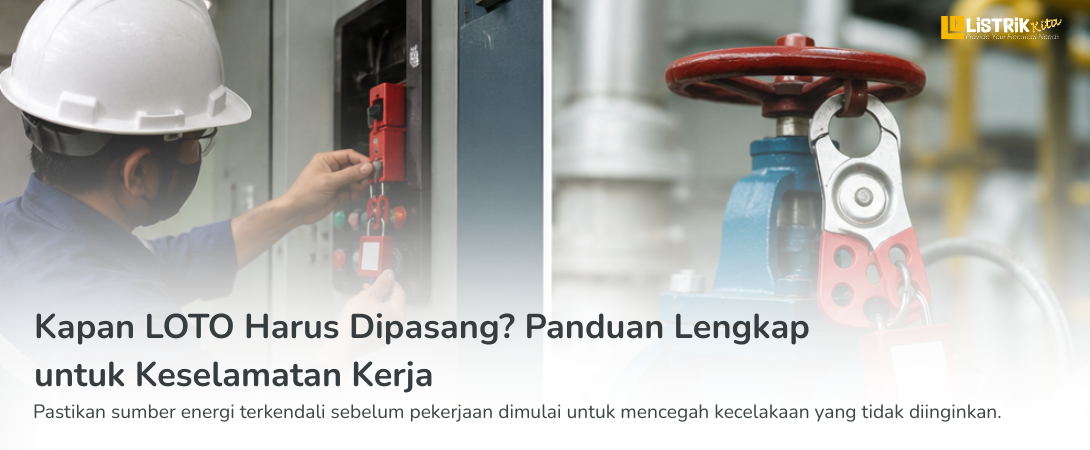
Workplace safety is a key priority in industrial environments. Lockout Tagout (LOTO) is a widely used safety procedure designed to protect workers from hazardous energy sources. This procedure ensures that machines and equipment cannot be started unexpectedly while maintenance or other work is being performed.
LOTO functions by securing energy sources with lockout devices and warning tags to prevent unintended operation. This prevents anyone from operating the equipment until the work has been completed safely. When applied correctly, LOTO can significantly reduce the risk of injuries caused by unexpected machine startup.
When Should LOTO Be Applied?
There are several situations where LOTO must be implemented to protect workers and prevent workplace accidents.
During Equipment Maintenance and Repairs
LOTO should always be used when technicians perform routine maintenance or repair work on machinery and equipment. During these activities, workers often need direct access to internal machine components that may present serious hazards.
Without proper isolation, equipment could start unexpectedly due to operator error or system malfunction. This can lead to severe injuries, equipment damage, and costly downtime. For this reason, all energy sources such as electrical, pneumatic, hydraulic, and mechanical energy should be isolated before work begins.
During Cleaning and Material Insertion
Cleaning activities often require workers to operate near moving machine parts. In some production processes, operators may also need to remove jammed materials or insert materials into the equipment.
These tasks can become dangerous if the machine remains connected to its energy source. Unexpected startup may cause crushing, entanglement, or other serious injuries. Applying LOTO helps ensure that the equipment remains safely shut down until the task is completed.
During Equipment Inspection or Modification
Routine inspections are an essential part of industrial maintenance and safety programs. During inspections, technicians may need to open panels, examine internal components, or perform equipment checks.
The same applies when modifying equipment, replacing parts, or installing new components. These activities may expose workers to hazardous energy if proper isolation procedures are not followed. Implementing LOTO helps keep the equipment in a safe and non-operational state throughout the process.
Types of Energy Sources That Must Be Controlled with LOTO
Many people associate LOTO only with electrical systems. However, several other forms of energy can also create significant hazards if not properly controlled.
Electrical Energy
Electrical energy is one of the most common workplace hazards. Contact with active electrical circuits can lead to electrical shock, burn injuries, and serious accidents.
Mechanical Energy
Moving parts such as gears, belts, chains, and shafts can create crushing or entanglement hazards if equipment starts unexpectedly.
Pneumatic and Hydraulic Energy
Stored air pressure and hydraulic pressure can generate sudden movement and must be safely released or isolated before work begins.
Thermal and Potential Energy
Heat, compressed springs, elevated loads, and other stored energy sources should also be controlled as part of a complete LOTO procedure.
LOTO should be applied before any task that may expose workers to hazardous energy sources. It is especially important during maintenance and repair work, cleaning and material insertion, as well as equipment inspections and modifications. Consistent LOTO implementation helps improve workplace safety and reduces the risk of costly accidents.
To support a safe and effective Lockout Tagout program, use high-quality safety devices such as LOTO padlocks, plastic switch bodies, and other lockout equipment. Find reliable LOTO products at Listrik Kita and help create a safer and more dependable workplace.
