


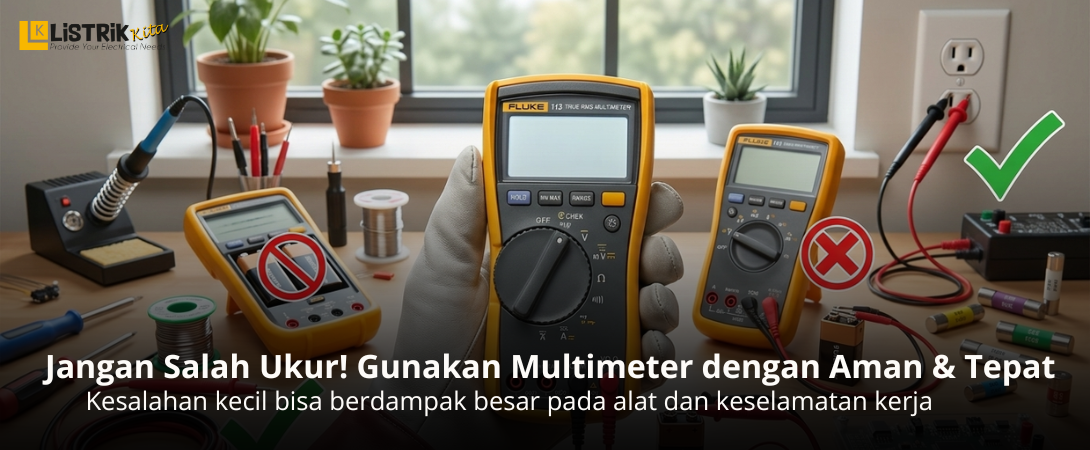
Learn how to avoid common multimeter mistakes for safer and more accurate measurements.
A multimeter is an electrical measuring tool commonly used to check voltage, current, and resistance in electrical circuits and electronic devices. Even though it looks simple, improper use of a multimeter can lead to inaccurate readings, equipment damage, and safety risks.
Many mistakes happen because users do not fully understand the settings, choose the wrong measurement range, or use the device in unsafe conditions. Understanding the correct way to use a multimeter is important to ensure safe and efficient measurements.
Avoid Using a Multimeter on High Risk Power Sources
One common mistake is using a multimeter on high voltage power sources without proper protection. This can endanger the user and damage the measuring device.
Before taking measurements, make sure the multimeter has the correct safety category, such as CAT III or CAT IV for industrial applications and electrical panels. Proper storage of the probes is also necessary to prevent the cables from bending or becoming damaged after frequent use.
Users should also avoid measuring voltages that exceed the meter’s maximum capacity. Always check the specifications before use to keep the device safe and prevent internal damage.
Pay Attention to the Selected Measurement Range
Selecting an incorrect measurement range may cause the readings to become inaccurate. In some cases, it may also blow the multimeter fuse or damage internal components.
If you are using a manual range multimeter, start with the highest range before adjusting to a lower value. This helps reduce the risk of overload when measuring unknown voltage or current levels.
Many digital multimeters today come with an auto range feature that makes measurements easier. However, users still need to understand each mode to ensure stable and accurate readings.
Do Not Measure Components Connected to a Power Source
Another common mistake is measuring resistors, capacitors, or other electronic components while they are still connected to a power source. This can produce invalid readings and increase the risk of short circuits.
Before measuring resistance or continuity, make sure the electrical power is completely disconnected. This procedure helps improve user safety while preventing damage to electronic components.
Capacitors that still contain electrical energy should be fully discharged before testing them with a multimeter.
Check the Probe Condition Regularly
The probe is an important part of a multimeter because it transfers the measurement signal from the object to the device. Damaged or worn probes can affect measurement accuracy and increase the risk of electric shock.
Inspect the probe cables regularly. If you notice cracks, peeling insulation, or loose probe tips, replace them immediately. Using damaged probes can lead to unstable readings and unsafe working conditions.
Proper storage of the probes is also necessary to prevent the cables from bending or becoming damaged after frequent use.
Store the Multimeter Properly After Use
Proper storage can help extend the lifespan of a multimeter. After use, keep the device in a dry and clean place away from moisture to prevent internal damage.
Avoid placing the multimeter in areas exposed to excessive heat or dust for long periods. If the device is rarely used, remove the battery to prevent leakage that could damage the internal parts.
Simple maintenance such as cleaning the device regularly and storing it in a protective case can help maintain measurement accuracy over time.
Using a multimeter correctly is important for both safety and accurate measurements. By avoiding high risk power sources, selecting the correct measurement range, checking probe conditions regularly, and storing the device properly, users can improve safety and extend the tool’s lifespan.
If you are looking for a reliable multimeter for household or industrial needs, you can find various high quality options at Listrik Kita.
