


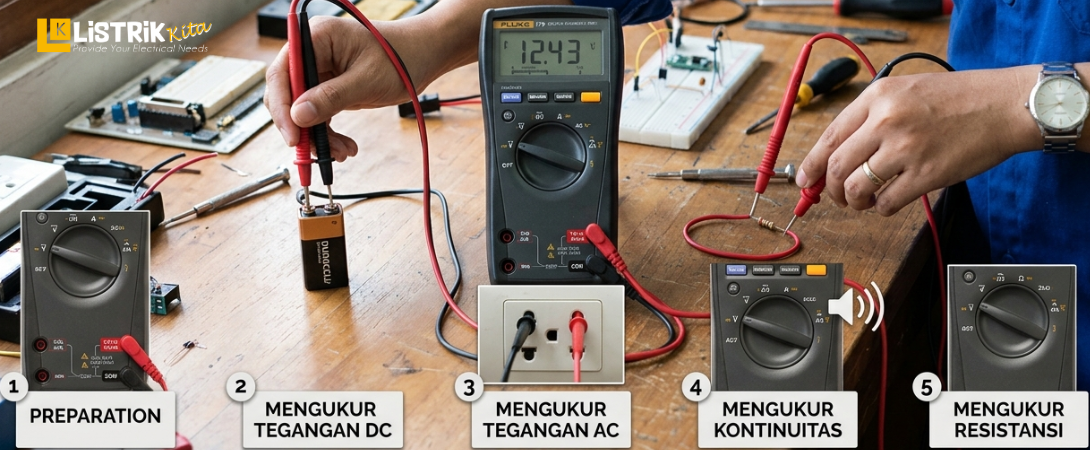
A multimeter is one of the most important electrical measuring tools for both professional technicians and home users. This device is commonly used to measure voltage, current, resistance, and to check cables or electronic components. By understanding how to use a multimeter correctly, electrical inspections can be done more safely and accurately.
For beginners, a multimeter may look complicated because it has many symbols and settings. However, once you understand the basic steps, it becomes much easier to use.
Why Is It Important to Understand How to Use a Multimeter?
Using a multimeter incorrectly can lead to inaccurate readings and may even damage electrical devices. In some cases, improper use can also create safety risks, especially when working with high voltage.
Understanding the functions and proper usage of a multimeter helps you perform electrical testing more safely, quickly, and efficiently.
Understanding a Multimeter and Its Functions
A multimeter is an electrical measuring device that combines several functions in one tool. It is commonly used to measure:
Measuring Voltage with a Multimeter
A multimeter can measure both AC and DC voltage in electrical circuits and electronic devices.
Measuring Electrical Current
This device can also measure the electrical current in a circuit to help check and monitor system performance.
Checking Resistance or Ohms
Resistance measurement helps determine whether resistors, wires, or other components are still functioning properly.
Preparation Before Using a Multimeter
Before starting any measurement, there are several important things you should check to ensure safe operation.
1. Check the Condition of Your Multimeter
Make sure the multimeter body is not cracked and the display works properly. Also check the selector switch to ensure it rotates smoothly.
2. Make Sure You Understand How the Multimeter Works
Learn the symbols, measurement scales, and probe terminal positions before using the device. This helps prevent measurement mistakes.
3. Prepare the Probes Properly
Inspect the probe cables and make sure there are no damaged or exposed wires. Faulty probes may cause unstable readings or short circuits.
4. Check the Battery Condition
Digital multimeters rely on batteries for proper operation. Replace the battery if the screen becomes dim or readings are unstable.
5. Choose a Safe Working Environment
Use the multimeter in a dry and safe area. Avoid using it in wet places or near flammable materials.
How to Use a Multimeter Correctly
Here are some common ways to use a multimeter properly.
Measuring AC Voltage with a Multimeter
Turn the selector to the ACV symbol, then connect the red and black probes to the electrical source you want to measure. Make sure the selected range matches the voltage level.
Measuring DC Voltage Safely
Choose the DCV mode on the multimeter. The red probe is usually connected to the positive terminal, while the black probe is connected to the negative terminal.
Measuring Electrical Current
To measure current, the multimeter must be connected in series with the electrical circuit. Ensure the probes are connected to the correct terminals for current measurement.
Measuring Resistance or Ohms
Turn the selector to the ohm or Ω symbol. Place the probes on both sides of the component to measure its resistance value.
Testing Broken Wires or Components with Continuity Mode
Use continuity mode to check whether wires or circuit paths are still connected properly. Most multimeters will produce a beep sound if the connection is good.
Common Mistakes When Using a Multimeter
Some common mistakes include choosing the wrong measurement range, placing the probes incorrectly, or measuring current using the wrong terminal. These errors may blow the multimeter fuse or damage the device.
Always double check the settings before starting any measurement.
Tips to Keep Your Multimeter Durable
Store the multimeter in a dry place to protect its internal components. Use the device within its measurement limits and avoid dropping or hitting it.
Cleaning the probes regularly is also important to maintain accurate and stable readings.
Understanding how to use a multimeter properly is important for safer and more efficient electrical testing. By learning the functions, usage methods, and preparation steps, you can reduce the risk of mistakes during electrical measurements.
If you are looking for a reliable multimeter for home, industrial, or professional technician needs, you can find various trusted multimeter products at Listrik Kita with complete product options and competitive prices.
