


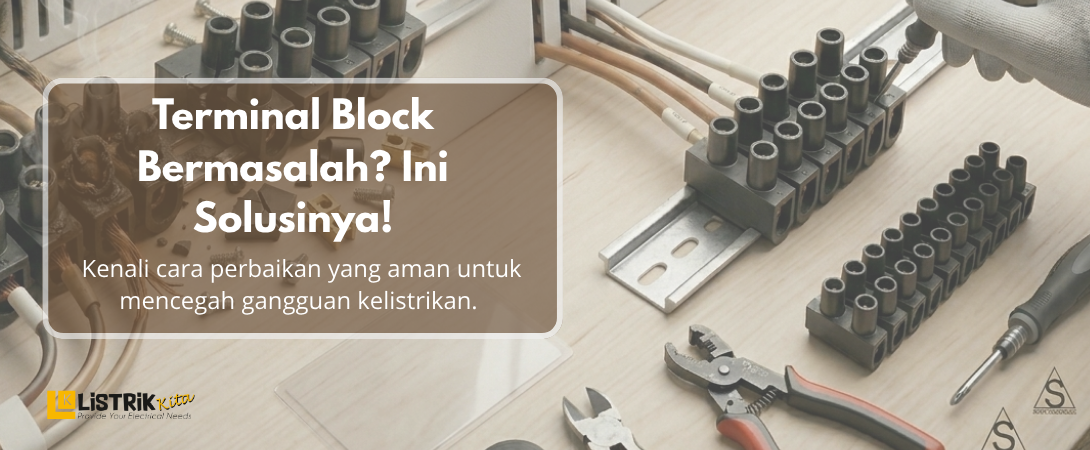
A terminal block is an essential component in an electrical installation that connects wires securely. It helps maintain a stable and safe flow of electricity. When a terminal block is damaged, the electrical connection can become unreliable and may lead to overheating, short circuits, or even fire.
Common signs of damage include loose screws, burn marks, cracks, or wires that no longer fit tightly. If you notice any of these issues, repair should be done as soon as possible.
Preparation Before Repairing a Terminal Block
Ensuring Safety Before Starting
Turn off the power supply from the main breaker before beginning any repair. Use a voltage tester or multimeter to confirm that no electricity is present.
Wear insulated gloves and use tools with insulated handles to reduce the risk of electric shock.
Preparing Tools and Replacement Parts
Prepare essential tools such as screwdrivers, wire cutters, a multimeter, a small brush, and a replacement terminal block if needed. Make sure the replacement part matches the specifications of your electrical system.
Steps to Repair a Terminal Block
Checking the Wire Connections
Inspect all wire connections to ensure they are secure. Loose wires can create electrical arcing and excessive heat. Tighten the terminal screws properly so the wires stay firmly in place.
Replacing Damaged Components
If the terminal block is cracked, melted, or burned, replace it with a new one. A damaged terminal block can no longer provide a safe electrical connection.
Fixing Incorrect Wire Size Issues
Use wires that match the terminal block capacity. Oversized wires may be difficult to install, while undersized wires can create unstable connections.
Cleaning the Terminal Block
Dust, corrosion, and dirt can interfere with electrical conductivity. Clean the terminal block with a soft brush or dry cloth before reconnecting the wires.
Addressing Environmental Factors
If the terminal block is installed in a humid or dusty area, protect it with an enclosure or electrical panel. Proper protection helps extend its service life.
Testing After the Repair
Once the repair is complete, restore power and test the connection using a multimeter. Make sure the voltage is stable and the terminal block does not overheat.
Mistakes to Avoid When Repairing a Terminal Block
Do not overtighten the screws, as this can damage the conductor or the terminal threads. Avoid using wires with incorrect sizes and never ignore signs of overheating such as discoloration or a burning smell.
Tips to Keep a Terminal Block in Good Condition
Inspect the terminal block regularly to ensure connections remain tight. Clean it periodically and choose high-quality products to maintain long-term electrical safety.
When Should You Replace a Terminal Block?
Replace the terminal block if it is melted, cracked, or unable to hold wires securely. Installing a new unit is often the safest and most reliable solution.
Using a high-quality terminal block helps keep your electrical installation safe and dependable. Explore a wide range of terminal blocks for residential, commercial, and industrial applications at Listrik Kita.
