


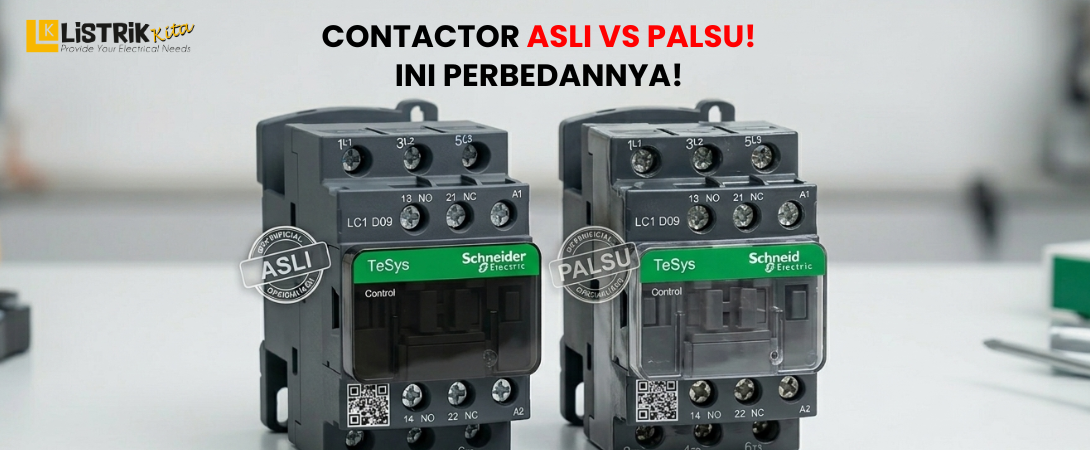
Tesys contactor is one of the most widely used components in industrial motor control systems. This product line from Schneider Electric has built a strong reputation for handling heavy electrical loads reliably, even under repeated switching cycles. But that same popularity has made it a prime target for counterfeit products flooding the market.
Using a fake contactor is not just a waste of money. It can seriously damage your equipment, disrupt operations, and in worst cases, start a fire. Whether you are a technician, electrical contractor, or plant owner, knowing how to spot the difference before buying can save you a lot of trouble down the line.
1. Check the QR Code and Serial Number
One of the quickest and most reliable ways to verify a Tesys contactor is by checking the QR code and serial number printed on the product.
How to Scan the QR Code and Verify It
Genuine Tesys products from Schneider Electric come with a scannable QR code. When you scan it with your phone, it takes you directly to Schneider Electric's official verification page where all the product details are displayed clearly and accurately.
Real vs Fake Serial Number Format
On an authentic product, the serial number is printed cleanly with high-quality ink. It follows Schneider Electric's official numbering format and can be verified through their system. Counterfeit products often have serial numbers that look smudged, inconsistent, or simply cannot be found in any official database.
Signs of a Fake QR Code
A fake QR code usually does not work at all. It either fails to scan, leads to a blank page, or redirects to an unrelated website. Low print resolution is often the giveaway. If the QR code cannot be verified online, treat it as a serious red flag.
2. Look Closely at the Terminal Screws
Terminal screws are in direct contact with your electrical cables. Their quality plays a big role in how safe and stable your entire electrical installation will be.
Material Differences Between Real and Fake Terminal Screws
Original Tesys contactors use high-grade metal terminal screws that resist corrosion and heat. The surface is smooth, the threading is precise, and the finish looks clean. Fake products typically use low-grade metal alloys that rust easily and may even snap when tightened.
Physical Signs of Genuine Terminal Screws
The screws on an authentic unit have symmetrical heads and a uniform finish. The color stays consistent even after exposure to heat and moisture. These small details are easy to overlook, but they make a clear difference when you compare both side by side.
Why Fake Terminal Screws Are Dangerous
Poor quality terminal screws create imperfect connections. That means loose contacts, overheating, sparks, and potentially a short circuit. In an industrial setting where reliability is everything, this kind of risk is simply not acceptable.
3. Compare the Casing and Component Quality
The outer appearance can be copied to some degree, but the overall material quality is much harder to fake convincingly.
Plastic Casing Texture and Hardness
The casing on a real Tesys contactor is made from a special thermoplastic that is hard, resistant to cracking, and built to handle high temperatures. It feels solid and sturdy in your hands. A fake product usually feels lighter, slightly greasy or slippery on the surface, and dents more easily under pressure.
Weight Difference Between Real and Fake Products
Weight is a simple but effective indicator. Genuine products are heavier because they use complete, high-quality internal components. If a contactor feels surprisingly light for its size, the internals are likely incomplete or made from substandard materials.
Internal Quality: Coil, Contacts, and Copper Components
If you get the chance to inspect the inside, look carefully. Real Tesys contactors use pure copper coils with clean, even windings and precisely made contact points. Fake versions often substitute copper with low-grade alloys or aluminum coated to look like copper, which leads to overheating and early failure.
4. Inspect the Logo and Printed Text
Visual details like logos and printed labels are usually where counterfeit products fall short, because matching the print quality of a major brand is harder than it looks.
Schneider's Logo Standard on Genuine Products
The Schneider Electric logo on an original Tesys contactor is either embossed or deeply printed, giving it a sharp and lasting appearance. The color does not fade from heat or liquid exposure, and the logo is always positioned in the exact same spot across every unit.
Font, Color, and Print Sharpness
Authentic products use the company's official font, printed with clean edges and correct proportions. Every letter, number, and symbol looks intentional and sharp. On a fake product, the text often appears blurry, slightly off-center, or uses a font that looks almost right but not quite.
Label Placement and Consistency
Labels on genuine products are always placed in the same position because they are applied by precision machines during manufacturing. On counterfeits, labels tend to sit slightly crooked, uneven, or start peeling because the adhesive quality is poor.
Spotting the difference between a real and fake product takes practice, especially if you have not handled many units before. The safest and most straightforward way to make sure you are getting the real thing is to buy from a trusted authorized distributor.
Listrik Kita provides original Schneider Electric Tesys contactors with guaranteed authenticity, full warranty coverage, and a team ready to help you find the right product for your specific installation needs.
Do not risk your equipment or your safety on a counterfeit. Visit Listrik Kita today and get your original Tesys contactor at the best price.
