


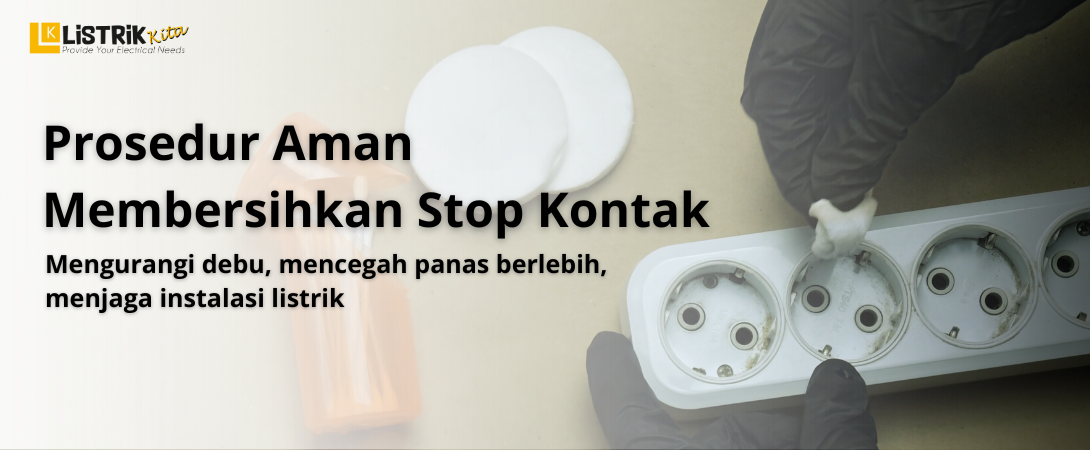
A power outlet is one of the most frequently used items in any home, yet it is often the most neglected when it comes to cleaning. While dust and grime buildup might seem like just an eyesore, they actually pose a real potential danger. Damp dust can conduct electricity, raising the risk of short circuits, sparking (arcing), and even fire. Cleaning an outlet requires special care because you are dealing directly with a source of electricity. This guide will walk you through each step to clean your power outlets correctly, effectively, and most importantly, safely for you and your family.
Initial Preparation: Safety Comes First
The preparation stage is the most critical phase and cannot be skipped. A small mistake at the beginning can have serious consequences. Make sure you do not rush and have everything you need ready.
Step 1: Cut Off the Power Supply Completely
Before you touch an outlet to clean it, you must ensure the electrical flow to that outlet is completely disconnected. The safest method is to switch off the MCB (Miniature Circuit Breaker) at your home's electrical panel that is connected to that specific room. If you are unsure which breaker controls the outlet, switch off the main MCB to cut power to the entire house as a precaution. Do not rely solely on turning off a wall switch or unplugging appliances. Also, inform everyone in the household not to turn the power back on while you are cleaning.
Step 2: Gather the Right and Safe Equipment
Once you are certain the power is off, collect all the tools you will need. Using the correct tools not only makes the job easier but also minimizes risk. You will need a flat-head screwdriver (depending on your outlet's screws), a soft-bristled brush or a clean, dry old toothbrush, a microfiber cloth or a soft lint-free cloth, plastic cling wrap, electronic cleaning fluid or isopropyl alcohol with a concentration of at least 70%, a hair dryer with a cool air setting, and rubber gloves for extra protection (optional but recommended). Avoid using materials like water-based household cleaners, direct aerosol sprays, or wet cloths, as they can leave residue or moisture behind.
The Cleaning Process: A Step-by-Step Method for Best Results
With your tools ready and the power confirmed off, you can now begin the cleaning process systematically. Work patiently and carefully.
Step 3: Lift Dust with a Clever Plastic Wrap Technique
Dust and fine hairs often cling to the surface and crevices of an outlet. To lift this debris without pushing it further inside, use the plastic wrap technique. Take a piece of cling wrap and wrap it tightly around the tip of your index finger. The slightly static texture of the plastic will help attract dust. Gently wipe your plastic-wrapped finger over the entire outer surface of the outlet, including around the plug holes. The dust will stick to the plastic instead of scattering or falling into the slots.
Step 4: Cleaning with a Safe Fluid
For more stubborn stains or grime, a cleaning fluid is necessary. Remember this crucial rule: NEVER spray or pour fluid directly into or onto the outlet. The safe method is to pour a small amount of electronic cleaner or isopropyl alcohol onto a microfiber cloth until it is just damp. Then, wipe the outer surface of the outlet with this cloth. For tight spaces around the plug slots, you can use a cotton swab dipped in the fluid and then squeezed almost dry. Isopropyl alcohol is highly recommended because it evaporates quickly without leaving a residue.
Step 5: Carefully Cleaning the Interior (Optional)
For a very thorough clean, you can choose to remove the outlet cover plate. Use your screwdriver to loosen the screw(s), then carefully pull the plate away. Only do this if you feel comfortable and are absolutely certain the power is completely off. Once open, use a dry, soft-bristled brush to very gently clean dust from inside the box and the metal contacts. Avoid touching or putting pressure on the internal terminals and wiring. If needed, you can wipe the inside of the cover plate with your damp cloth. Reattach it only after everything is completely dry.
Final Stage: Drying and Testing
After cleaning, you must ensure no moisture remains, as this is a hazard when the power is restored.
Step 6: Drying with a Cool-Setting Hair Dryer
Moisture is the main enemy of electrical devices. To ensure the outlet is perfectly dry, use a hair dryer. It is very important to set it to the cool or cold air mode only. A heat setting could damage or melt the outlet's plastic components. Direct the stream of cool air over all parts of the outlet, especially around and into the plug slots, for one to two minutes. Make sure there is no dampness left.
Step 7: Final Assembly and Testing
Once you are sure the outlet is completely dry, reattach the cover plate (if removed) and tighten the screw(s) with your screwdriver. Now, it is time to restore the power. Switch the MCB you turned off back to the 'on' position. Before using the outlet for any important device, perform a simple test by plugging in a small appliance like a desk lamp or phone charger. Watch and listen for any sparks, a burning smell, or a humming sound. If you notice anything unusual, turn the power off again immediately and consult a qualified electrician.
The Importance of a Quality Power Outlet
Regular cleaning will extend the life and safety of your outlets. However, the best preventive step is to ensure you use high-quality outlets from the start. Outlets made with good materials, solid construction, and strict safety standards are not only more durable but are often designed to be easier to clean and present fewer technical risks.
If you feel the outlets in your home are too old, frequently loose, or show signs of damage like yellowing or cracking, it may be time for a replacement. For the best quality, safe, and long-lasting power outlets, you can find excellent options at Listrik Kita. Investing in proper outlets is an investment in the long-term safety of your home.
