


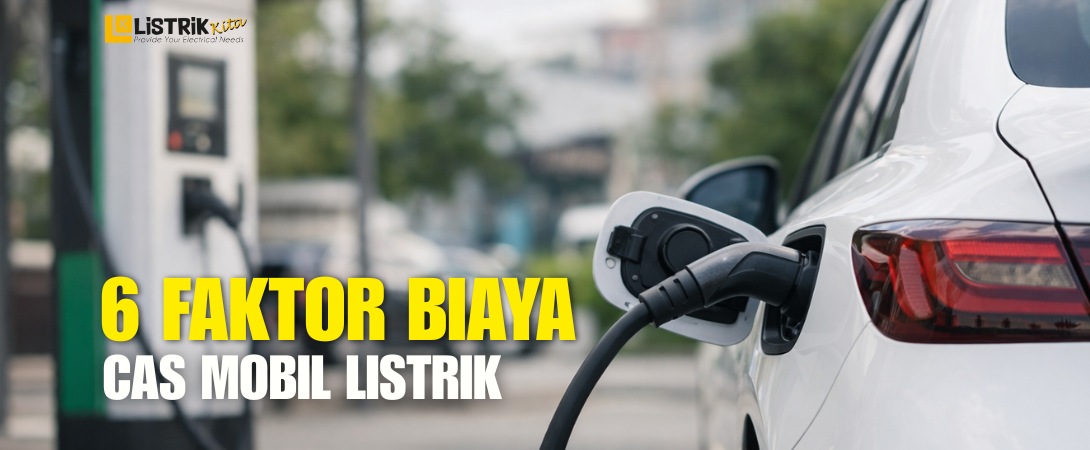
Electric cars are becoming more popular in Indonesia. But many potential buyers still ask: how much does it actually cost to charge an electric car per month? It really depends on several things. Many factors can make charging cheap or expensive. These include battery size, electricity rates, and your own charging habits.
If you want to save money on EV operating costs, understanding these factors is an important first step. Let's go through them one by one in a simple and practical way.
1. Battery Capacity (kWh) – The Size of Your Electric Tank
The most basic factor is how large your car's battery is. Battery capacity is measured in kWh. The larger the number, the more energy you need to fill it up.
For example, a car with a 40 kWh battery will clearly cost less to charge than a car with a 75 kWh battery. It is like filling a small bucket versus a large drum. If you only need the car for city driving, choosing a smaller battery will lower your daily charging costs.
2. Electricity Rate per kWh – Home Charging vs Public SPKLU
This factor affects your wallet the most. Home electricity rates from PLN (non-subsidized) are currently around Rp1,400 to Rp1,700 per kWh. Meanwhile, public SPKLU stations can charge between Rp2,500 to Rp3,500 per kWh, sometimes even more for DC fast charging.
The difference is very significant. If you often charge at home, your monthly cost could be two to three times cheaper compared to always relying on SPKLU at malls or rest areas. That is why having a home charging setup is the most beneficial investment.
3. Charging Efficiency – Energy Lost as Heat
Not all the electricity you pay for actually ends up in your battery. The charging process, especially when converting from AC to DC, produces heat. Some energy is wasted. Charging efficiency is usually between 85% and 95%.
This means if your battery needs 50 kWh, you might have to pay for around 55 to 60 kWh from your power source. The higher the efficiency of your charger, the less waste. That is why choosing good quality charging equipment matters.
4. Type of Charger Used – Slow vs Fast, Cheap vs Expensive
The type of charger greatly affects the cost. In general:
- Level 1 (home AC charger): The slowest, but the cheapest because it uses home electricity rates.
- Level 2 (AC 7-22 kW): Suitable for office or mall parking. The cost is moderate.
- DC Fast Charging: Very fast, but the cost per kWh is the highest. Usually used for long trips.
Using fast charging every day will make your operating costs go up. On the other hand, relying on Level 2 charging at home is the most economical choice for daily use.
5. Charging Habits – This Is What You Can Control the Most
Your daily habits actually have a big impact. For example:
- Charging only from 20% to 80% is more economical than always going from 0% to 100%, and it also extends battery life.
- Charging at night is not always available as a lower rate in every area, but if you can adjust your schedule, some operators offer cheaper rates.
- Taking advantage of free charging at malls or office buildings can reduce costs to zero, though there is usually a minimum purchase requirement.
So you do not need to fully charge every night. Just charge enough for the next morning's needs.
6. Location and SPKLU Operator – Who Runs It and How Much Do They Charge?
Geographic location and which operator runs the SPKLU also matter. SPKLU in city centers or toll road rest areas are usually more expensive because of high land rental costs. Also, different operators like PLN, Starvo, Charge+, and others can have price differences of up to 30% for the same amount of power.
Some SPKLU even charge extra fees such as hourly parking fees or idle fees (when your car stays plugged in after the battery is full). So before charging at a public SPKLU, always check the app to compare rates between operators.
From the six factors above, one conclusion is clear: the cheapest way to charge your electric car is to have your own charging setup at home. With a home charger, you can enjoy low home electricity rates, avoid extra SPKLU fees, and charge according to your own habits without feeling rushed.
If you are currently looking for reliable, safe, and efficient EV charging equipment to install at home, visit Listrik Kita. By investing in the right charging equipment from the start, you can save thousands of rupiah every month while also keeping your electric car's battery healthy. Do not wait any longer. Switch to a home charging solution with Listrik Kita today.
