


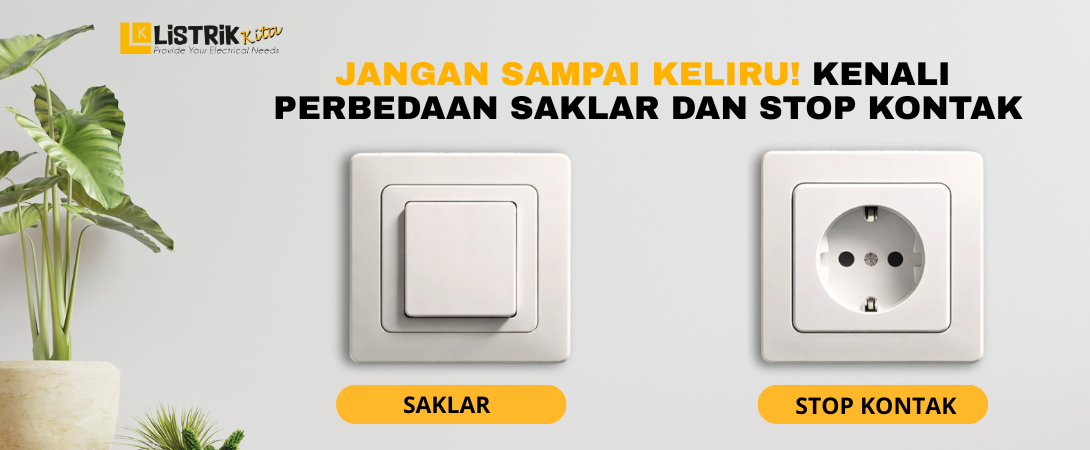
Walking into any room, you are almost guaranteed to see two essential electrical items: switches and sockets. We use them daily, yet their distinct roles often cause confusion. Knowing how a switch differs from a socket goes beyond simple trivia, it’s a matter of home safety and smart energy use. In your home's electrical setup, these two parts work as a team. Each has a unique job that the other cannot do. Let's explore what makes switches and sockets special.
What Is a Switch?
A switch is a device that makes or breaks the flow of electricity in a circuit. You can think of it as a gate for electricity. When you flip it "on," the gate opens, allowing current to pass through to a device like a light. Flip it "off," and the gate closes, stopping the flow completely. Its job is simple but crucial: control.
Common Types of Switches
Different needs call for different switches. A single-pole switch is used to turn a light on or off from a single point. A double-pole switch lets you operate two separate lights from the same spot. For hallways or stairs, you might use a three-way switch. This allows you to turn one light on or off from two different places. Modern options are also popular. These include touch-sensitive switches, slide switches, and motion-sensor switches that save energy.
What Is a Socket?
A socket has a different purpose. It is not a controller but a power source. Its role is to provide electricity whenever you need it. Imagine it as a charging dock that is always live. When you plug a device into a socket, you connect it directly to your home's electrical supply. This supplies the necessary electricity for the device to operate.
Socket Variants for Different Uses
Sockets come in various styles for safety and function. The basic type has two holes and no ground pin. A safer, more common type has three holes, including one for grounding to prevent shocks. For wet areas like kitchens or bathrooms, use waterproof sockets with protective covers. Newer models may include built-in USB ports for charging devices or special shutters to keep children safe.
The Difference Between Switches and Sockets
While both are electrical fittings, they are not the same. Here are the key points where they differ.
1. Function: Main Role in a Circuit
A switch is a controller. It decides if power reaches a device. A socket is an outlet. It supplies continuous power to whatever is plugged into it.
2. Usage: How and Where They Are Used
Use a switch for items you turn on and off often, like lights and fans. Use a socket for appliances that need ongoing power, such as a TV, laptop charger, or refrigerator.
3. Design: Shape and Look
A switch typically has a button, toggle, or touchpad you press. A socket has holes (receptacles) where you insert a plug. Inside, a switch connects two wires. A socket connects three: live, neutral, and earth.
4. Installation: How They Are Wired
A switch is wired in series. This means electricity must flow through it to reach the device. A socket is wired in parallel. It taps power from the main line without interrupting the circuit.
5. Protection and Safety: Risk Factors
A poor-quality switch can cause a short circuit. An exposed socket can lead to an electric shock. Modern sockets often include safety shutters and grounding for extra protection.
6. Size: Physical Dimensions
A socket is usually bulkier. It needs space for three wire terminals and a secure plug mechanism. A switch is often slimmer, housing just the switching mechanism.
7. Physical Build: Internal Materials
Switches have spring-loaded metal contacts made for frequent use (many on/off cycles). Sockets have contacts designed to hold plugs firmly and handle constant heat from continuous power flow.
Why Switches and Sockets Matter in Your Home
Together, switches and sockets make your home's electrical system convenient and functional. Switches put you in command, helping you save energy by cutting power when it's not needed. Sockets provide the infrastructure to run all your modern gadgets and appliances.
Knowing which is which is vital for safety. Mistakes can be dangerous. For example, overloading a switch not meant for high power can cause a fire. Incorrect socket wiring can lead to shocks or short circuits. Always choose products that carry the SNI safety mark and match your appliance's power requirements.
Perform simple maintenance checks regularly. Look for loose switches, sockets that feel warm, or sparks when plugging something in. Replace any fitting that shows these warning signs immediately.
Looking for reliable, safe switches and sockets? Visit Listrik Kita. We offer a wide range of products that meet strict national and international standards. Choose from sleek, modern switches or feature-packed safety sockets, all with assured quality at competitive prices.
