


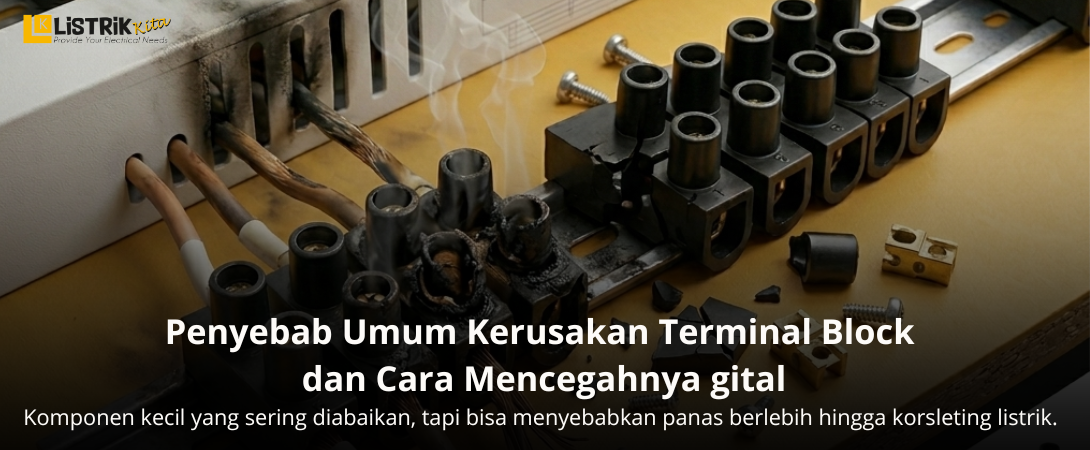
A terminal block is an essential component in electrical installations. It serves as a secure connection point between wires, helping keep wiring systems organized, safe, and reliable. Although it is a small component, a damaged terminal block can lead to overheating, unstable connections, and even short circuits.
Understanding the common causes of terminal block damage can help you prevent electrical problems and extend the life of your installation.
What Is a Terminal Block and Why Can It Be Damaged?
Terminal blocks are widely used in electrical panels, industrial machines, and building installations. They are designed to create a safe and stable electrical connection between conductors.
Damage can occur due to mechanical stress, electrical overload, or environmental factors.
Loose Wire Connections
Loose connections are one of the most common causes of terminal block failure.
Vibration and Temperature Changes Can Loosen Connections
Continuous vibration and thermal expansion can gradually reduce clamping force.
Risk of Overheating and Arcing
Poor contact increases electrical resistance, which generates heat and may cause arcing.
Improper Screw Tightening
Terminal screws must be tightened according to the manufacturer's recommended torque.
Overtightening Can Damage the Conductor
Excessive force can deform the wire and damage the terminal threads.
Undertightening Leads to Unstable Contact
Loose screws create poor electrical contact and excessive heat.
Low-Quality Terminal Block Materials
Material quality plays a major role in product durability.
Poor Conductors Heat Up More Easily
Low-grade metals have higher resistance and lower conductivity.
Fragile Housing Cannot Withstand High Temperatures
Inferior insulating materials may crack or melt.
Incorrect Cable Size Selection
The cable size must match the terminal block specification.
Undersized Wires Can Overheat
Small conductors carrying high current will heat up quickly.
Oversized Wires May Not Fit Properly
Wires that are too large may not be clamped securely.
Extreme Environmental Conditions
The installation environment affects terminal block performance.
High Humidity Causes Corrosion
Moisture can corrode metal contacts and reduce conductivity.
Dust, Vibration, and Extreme Temperatures Accelerate Wear
Harsh conditions shorten the service life of the component.
Electrical Overload
Current above the rated capacity can severely damage the terminal block.
Excessive Current Generates Heat
Overload can deform metal parts and damage insulation.
Overload Reduces Component Lifespan
Repeated overheating weakens the terminal over time.
Installation Errors
Incorrect installation can compromise connection quality.
Improper Wire Stripping
Too much or too little stripped insulation reduces contact effectiveness.
Poor Mounting Location
Limited ventilation can trap heat around the terminal block.
Lack of Routine Maintenance
Regular inspections help detect problems early.
Check Screw Tightness Periodically
Connections should be retightened when necessary.
Watch for Early Signs of Damage
Discoloration, burnt smells, and unusual heat indicate trouble.
How to Prevent Terminal Block Damage
Choose high-quality components, use the correct cable size, follow installation standards, and perform regular maintenance. These steps will improve safety and reliability.
Terminal block damage is commonly caused by loose connections, improper screw tightening, low-quality materials, overload, and poor maintenance. By understanding these issues, you can keep your electrical system safe and dependable.
If you are looking for reliable terminal blocks for your electrical projects, visit Listrik Kita to find trusted products with proven quality.
