


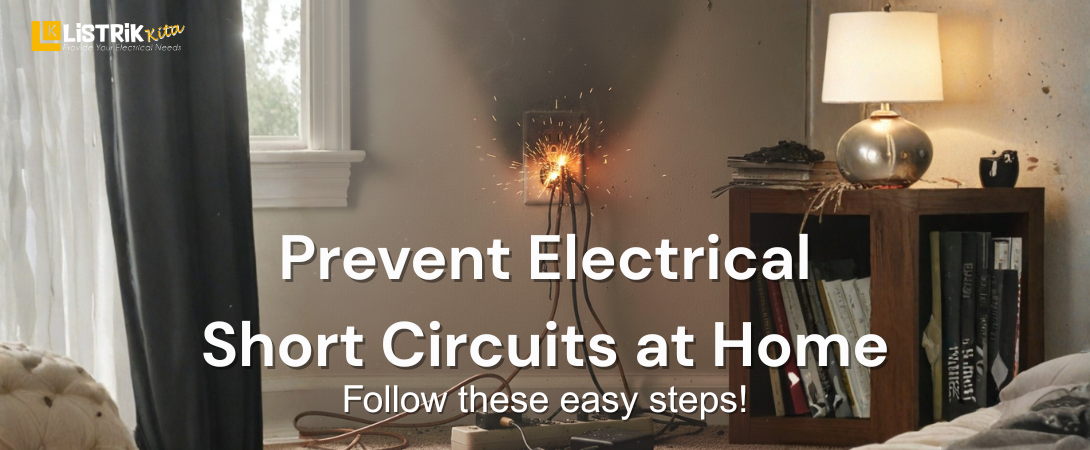
A short circuit is one of the most common and dangerous electrical problems that can occur in homes or buildings. In simple terms, a short circuit happens when electric current flows through a path it is not supposed to take, usually because there is very little or no resistance. This causes the current to rise sharply in a very short time.
You can imagine electricity like cars moving on a main road. Normally, the current follows the long and safe route provided by the wires. But if suddenly there is a “shortcut” that connects two points directly, the current will take that path. This shortcut is what we call a short circuit. As a result, extreme heat, sparks, or even small explosions can occur and cause serious damage.
Common Causes of Short Circuits
Several conditions can trigger a short circuit, from damaged wires to unsafe electrical use. Here are the most frequent causes:
1. Damaged Wires
One of the biggest causes is damaged wire insulation. When the outer layer of a wire becomes torn, worn out, chewed by animals, or exposed to heat for too long, the positive and negative wires can touch each other. When this happens, electricity flows directly from one point to another, creating a short circuit. If the wire is not replaced, the exposed parts can spark and potentially start a fire.
2. Poor or Loose Connections
Loose wire connections, improper installation, or wires that are only twisted together without proper connectors can easily heat up. When the connection is not tight, small sparks may appear every time the electrical load increases. Over time, these sparks create heat that eventually leads to a short circuit. Many cases come from installations done without proper skill or tools.
3. Exposure to Water or Moisture
Water conducts electricity very well. If water enters a socket, switch, or exposed wiring, it can connect two electrical points that should remain separated. This creates a direct path for the current and triggers a short circuit. Moist areas such as bathrooms, kitchens, laundry rooms, or closed spaces with poor ventilation increase the risk of moisture collecting on electrical components.
4. Overloaded Electrical Circuits
Plugging too many high-power appliances into one outlet or low-quality extension cord can force the wires to carry more current than they were designed for. When this happens, the wires heat up. If the heat continues to build, the insulation can melt and cause the inner wires to touch, resulting in a short circuit. Cheap power splitters or unsafe tee connectors without certified standards are especially risky.
Dangers Caused by Short Circuits
A short circuit is not just a technical issue. It can create serious hazards that threaten both your home and your safety.
1. Fire
This is the most severe danger. A sudden spike in current can create sparks or extreme heat on exposed wires. Nearby materials such as wood, curtains, paper, or other flammable items can catch fire in seconds. Many household fires start from unnoticed short circuits.
2. Damage to Electronic Devices
Modern electronic devices contain sensitive components that cannot handle sudden voltage spikes. When a short circuit occurs, the surge of electricity can damage internal parts of appliances like refrigerators, TVs, air conditioners, computers, and chargers. In some cases, the device becomes completely unusable.
3. Electric Shock
If a short circuit happens inside an appliance with a metal body, such as a washing machine, refrigerator, or water pump, the metal surface can become electrified. Anyone who touches it is at risk of getting shocked, which can lead to injury or even death. This is why grounding is essential in every electrical installation.
How to Prevent Electrical Short Circuits
Preventing a short circuit is much easier than fixing the damage it causes. Here are some steps to keep your electrical system safe:
• Use the Right Fuse and MCB
Make sure your home uses a fuse or MCB with the correct rating. These devices cut off the electrical flow automatically when there is overload or a short circuit. Never replace an MCB with a higher rating without proper calculation.
• Check Your Cables Regularly
Inspect the cables in your home, both appliance cables and fixed wiring. If you find wires that are brittle, cracked, torn, or suspicious, replace them immediately. Covering damaged wires with tape is not a safe long-term solution.
• Avoid Overloading a Single Outlet
Do not plug too many devices into one outlet or splitter. Use additional outlets installed by a technician, or choose extension cords with clear load specifications and proper certification.
• Keep Wiring Neat and Properly Installed
Electrical work should be handled by a qualified technician. Wire connections must use the right connectors, be well insulated, and installed neatly to avoid overheating.
• Protect Outlets from Water
Use outlet covers in moist areas such as kitchens and bathrooms. Keep electrical appliances away from water sources that might splash or leak onto them.
You can find the right MCB for your electrical needs at Listrik Kita!
