


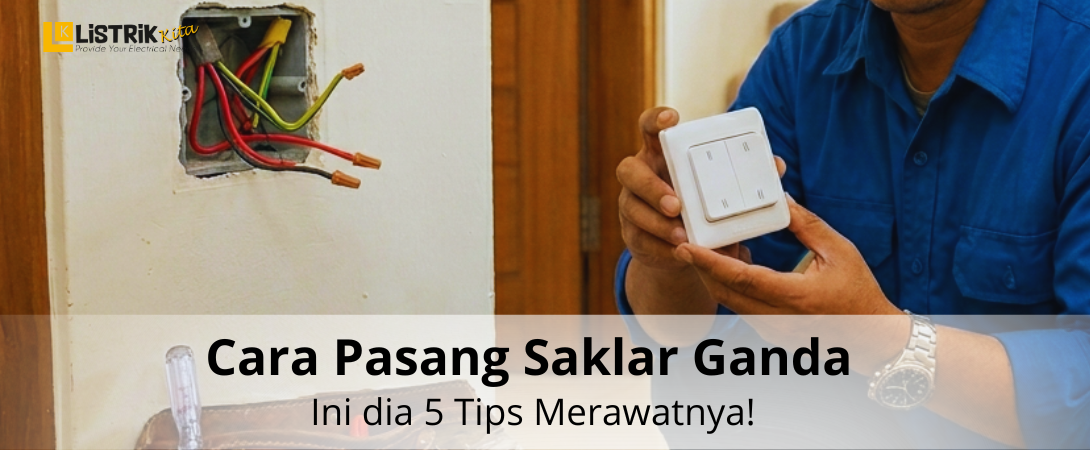
A double switch is a practical solution for controlling two lights or electrical devices from a single point. While it may look complicated, the installation process is actually quite simple once you understand the basics of electrical wiring. But simply installing it correctly is not sufficient. Regular maintenance is also necessary to ensure the switch lasts for years and remains safe to use.
How to Install a Double Switch Correctly
1. Turn Off the Power and Prepare Your Tools
The very first step is to turn off the electricity from the main circuit breaker. Never work on electrical installations while the power is still on, as the risk is extremely dangerous. Prepare a Phillips and flathead screwdriver, electrical tape, wire cutters, and a voltage tester to make sure there is no remaining electrical current in the wires.
2. Identify the Types of Wires
A double switch typically has three main terminals. The live wire, usually red or black, carries the current and must be connected to the terminal marked L or Com. The other two wires are the load wires, often yellow, white, or another color, which connect to each light. Use a voltage tester to confirm which wire is live if you are unsure.
3. Connect the Wires to the Terminals
Insert the live wire into the L terminal and tighten it with a screwdriver. Make sure the wire is clamped securely to prevent it from becoming loose. Next, insert the first load wire into the L1 terminal and the second load wire into the L2 terminal. Double-check that no copper strands are sticking out from the terminals, as this could cause a short circuit.
4. Reinstall the Switch into the Wall Box
Fold the wires neatly so they do not push against the switch body when you place it back into the wall box. Attach the switch frame, tighten the mounting screws on the left and right sides, then put the cover plate back on. Turn the main breaker back on and test both lights to make sure everything is working properly.
5 Tips to Keep Your Switch Durable
1. Do Not Press Too Hard
A switch has a spring mechanism inside that is designed to be pressed gently. Pressing too hard or slamming the switch can damage the spring, causing the button to get stuck or fail to return to its original position.
2. Check the Wiring Regularly
Every six months or so, remove the switch cover and check whether the terminal screws are still tight. Loose wires can create small sparks inside the switch, which you might notice as a buzzing sound. If left unaddressed, this can cause the switch to fail quickly and may even pose a fire risk.
3. Protect from Moisture
Water and humidity are the biggest enemies of electrical components. If your switch is located in a damp area like a bathroom or a kitchen near the sink, consider using a weatherproof switch or adding a protective cover. Moisture that seeps inside can cause the metal contacts to rust over time.
4. Clean It Regularly
Dust buildup can interfere with the switch mechanism and make the surface look dull. Wipe the switch plate with a dry microfiber cloth or a soft brush on a regular basis. Avoid harsh chemical cleaners, as they can damage the plastic finish or seep into the internal parts.
5. Perform Routine Checks
Pay attention to whether the switch still feels firm when pressed and produces a clear clicking sound. If the button feels loose or too stiff, it is time to replace it. Also, watch out for discoloration around the switch. If the area nearby looks brown or black, it could indicate overheating caused by a weakening electrical connection.
Installing a double switch is not as difficult as it seems as long as you are careful and prioritize safety. Combined with regular maintenance habits, the switches in your home can last for many years without issues. Avoid pressing too hard, protect them from moisture, and check the wiring periodically to prevent unwanted problems.
For a high-quality double switch that is durable and safe, make sure to buy from a trusted source. Visit Listrik Kita today, where you will find a wide selection of double switches from well-known brands at competitive prices with guaranteed quality. Do not compromise the comfort and safety of your home with inferior products.
