


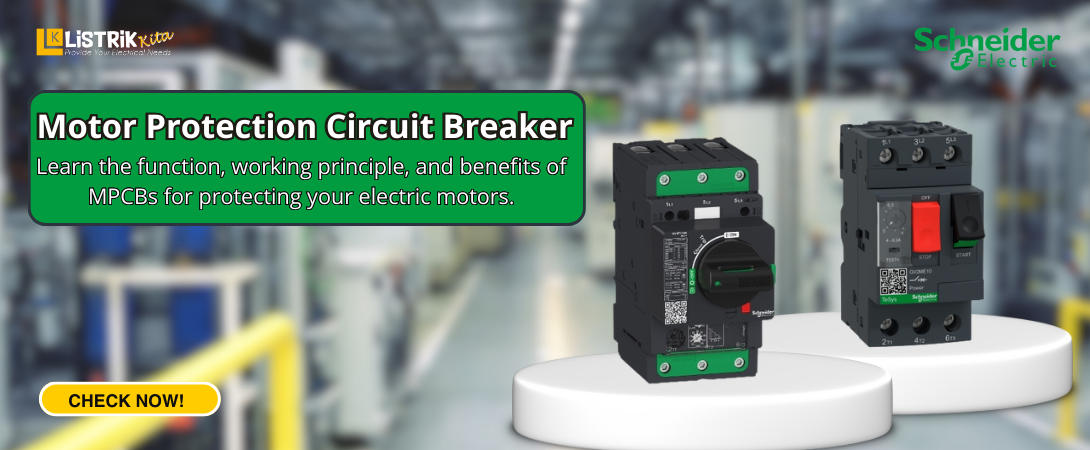
In the industrial world, electric motors are essential components that power a wide range of machinery. However, like any electrical equipment, motors are vulnerable to electrical disturbances such as overload currents and short circuits. To prevent these risks, industries rely on the Motor Protection Circuit Breaker (MPCB).
This article explores what MPCBs are, how they work, and the advantages they offer in electric motor systems.
What is a Motor Protection Circuit Breaker (MPCB)?
A Motor Protection Circuit Breaker (MPCB) is a protective device specially created to shield electric motors from typical electrical problems such as overloads and short circuits. Unlike standard circuit breakers, MPCBs come with features tailored for motor protection, offering more comprehensive safety measures.
Beyond simply cutting off the power when a fault occurs, MPCBs help preserve motor performance, ensure operational safety, and reduce the risk of damage or fire due to electrical faults.
Role of MPCB in Motor Systems
MPCBs are essential for maintaining the safety and extending the lifespan of motor-driven systems. Here are their primary functions:
-
Overload Protection
When a motor runs above its specified capacity, the electrical current rises. The MPCB detects this and automatically cuts off the power to prevent overheating or burnout. -
Short-Circuit Protection
In the event of a short circuit, the current spikes dramatically. The MPCB reacts instantly, disconnecting the circuit before serious damage can occur. -
Operational Safety
With an MPCB in place, the entire electrical system becomes safer for both equipment and personnel. -
Undervoltage Protection (available on certain models)
When the voltage falls below a safe threshold, the MPCB activates to safeguard the motor from damage or failure.
How Does a Motor Protection Circuit Breaker Work?
MPCBs operate using a combination of thermal and magnetic protection mechanisms.
1. Thermal Protection
This component consists of a bi-metallic strip made by bonding two different metals. During an overload, the heat causes the metals to expand unevenly, which leads the strip to bend. This bending motion activates the breaker to disconnect the circuit. The response time depends on how severe the overload is.
2. Magnetic Protection
For short circuits, MPCBs use a magnetic coil. A sudden surge of current generates a strong magnetic force that immediately activates a trip mechanism. This happens in milliseconds to protect both the motor and the circuit.
Key Components of an MPCB
An MPCB consists of several critical components:
-
Thermal Relay: Protects the motor from sustained overloads.
-
Magnetic Relay: Cuts off power during short circuits.
-
Contact Mechanism: Opens or closes the circuit based on the fault condition.
-
Trip Indicator/Reset Button: Allows the user to reset the device after a trip.
-
Undervoltage Protection Unit (optional): If the voltage falls below a safe level, the MPCB will trip to protect the motor from malfunction or damage.
Why Proper MPCB Settings Matter
To ensure optimal protection, the MPCB must be calibrated based on the motor’s specifications. Incorrect settings can result in:
-
Unnecessary tripping during motor startup
-
Delayed response to overloads
Key Settings to Adjust:
-
Rated motor current
-
Trip class (protection class)
-
Motor environment conditions such as ambient temperature and humidity
Real-World Example: MPCB in Industrial Applications
Take the furniture industry for example. Machines like wide belt sanders use powerful motors to smooth wooden surfaces. These motors can experience overloads if the material is too thick or dense. By installing an MPCB, companies can protect these motors from overheating and reduce costly production downtimes.
Types and Popular Brands of MPCBs
Classification Based on Capacity
MPCBs come in various sizes to match small to large motor applications:
-
TeSys Deca Frame 2, 3, and 4: Ideal for medium-sized motors
-
TeSys Giga: Designed for heavy-duty industrial motors
Trusted MPCB Brands
Reputable manufacturers offering high-quality MPCBs include:
-
Schneider Electric – TeSys GV2, GV3, GV4 series
-
ABB – MS116, MS132, and more
-
Siemens, LS, Eaton, and others also offer advanced MPCBs with full protection features
Advantages of Using an MPCB
Incorporating an MPCB into your motor system provides multiple advantages:
-
Motor and Workplace Safety
Prevents overheating, short circuits, and significantly lowers the risk of electrical fires. -
Improved Operational Efficiency
Motors run within safe limits, maximizing performance and energy use. -
Reduced Downtime
Quick and precise fault detection prevents costly damage and production delays. -
Lower Maintenance Costs
With fewer motor failures, you save on repairs and replacements.
The Motor Protection Circuit Breaker (MPCB) is a vital part of any motor-driven electrical system. It protects motors from overloads, short circuits, and other hazards—ensuring longer motor life and improved system efficiency.
If your business relies on electric motors, installing the right MPCB is a smart investment. Always choose reliable brands and ensure proper settings based on your motor’s specifications for maximum protection.
Discover top-quality Motor Protection Circuit Breakers at Listrik Kita!
